
Table of Contents
- The Alarming Trend of Unregistered Airbnb Rentals: What Every Traveler Should Know
- Understanding the Scale of Unlicensed Holiday Accommodations
- Why Proper Registration Matters
- How to Identify Legal vs. Illegal Listings
- The Impact on Local Housing Markets
- Regulatory Responses Around the World
- How Platforms Are Responding
- What This Means for Travelers
- Tips for Responsible Booking
- The Future of Short-Term Rental Regulations
- FAQs
The Alarming Trend of Unregistered Airbnb Rentals: What Every Traveler Should Know
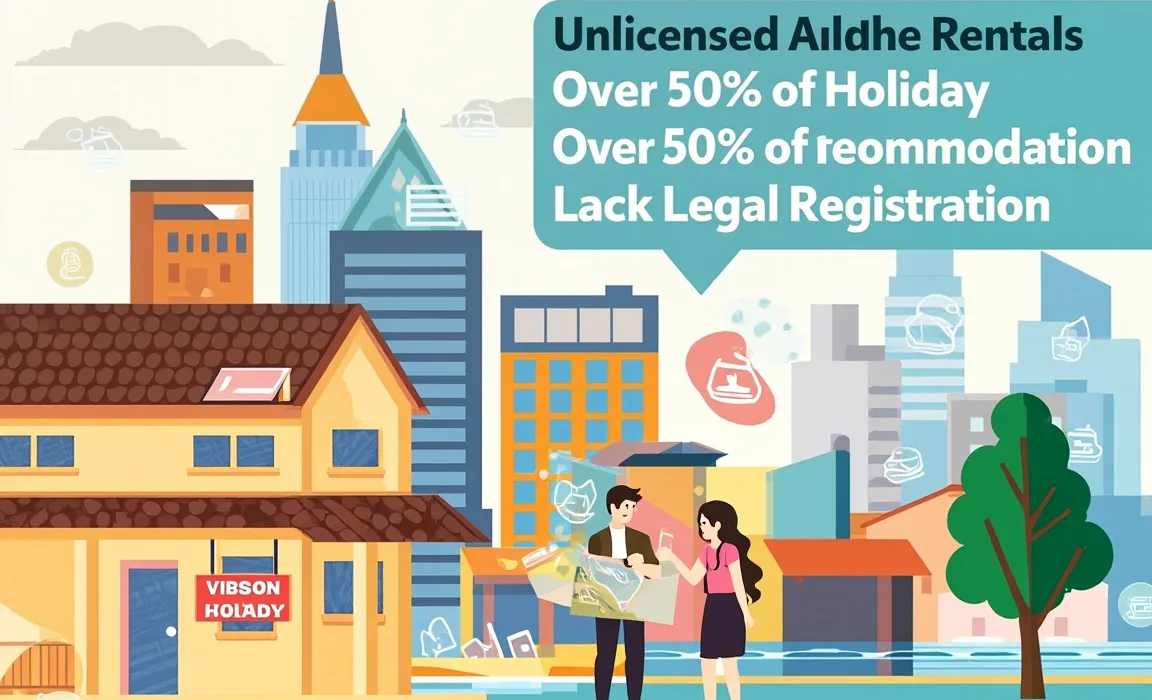
Did you know that more than half of all holiday accommodations listed on popular platforms operate without proper licensing? Recent data reveals a startling reality: Airbnb unlicensed rentals account for over 50% of short-term vacation properties available online. This widespread non-compliance raises significant questions about safety, regulation, and the impact on local housing markets worldwide.
The short-term rental market has exploded over the past decade, transforming how we travel and experience destinations. However, this growth has outpaced regulatory frameworks in many regions, creating a gray market where properties operate outside established legal requirements. Understanding this phenomenon is crucial for both travelers and communities affected by tourism.
Understanding the Scale of Unlicensed Holiday Accommodations

The numbers paint a clear picture of the issue's magnitude:
- According to recent studies, between 50-80% of short-term rentals in major tourism hotspots operate without proper registration
- In Barcelona alone, authorities identified over 6,000 illegal Airbnb listings in a single year
- New York City estimated that up to 85% of entire-home rentals violated local regulations
- Popular European destinations report similarly high percentages of unregistered accommodations
This widespread non-compliance isn't just a technical oversight—it represents a significant challenge for cities trying to balance tourism benefits with resident needs and safety standards.
Why Proper Registration Matters
Registration and licensing requirements serve multiple important purposes:
- Safety standards: Ensuring properties meet fire safety, structural, and health regulations
- Tax collection: Proper accounting for local tourism and occupancy taxes
- Housing market protection: Preventing residential units from becoming de facto hotels
- Accountability: Providing recourse for guests when issues arise
When properties operate without these safeguards, both travelers and communities bear the risk.
How to Identify Legal vs. Illegal Listings
For travelers concerned about booking legally compliant accommodations, several indicators can help:
- Registration display: Legal listings typically prominently display their registration or license numbers
- Transparent communication: Legitimate hosts are typically forthcoming about local regulations
- Platform verification: Some platforms now verify registration information in certain jurisdictions
- Contact information: Properly registered properties usually provide complete contact details
These verification steps take only minutes but can save significant headaches and potential legal complications during your stay.
The Impact on Local Housing Markets
The proliferation of Airbnb unlicensed rentals has measurable effects on local communities:
- Housing affordability decreases when residential units convert to tourist accommodations
- Rental availability for residents can drop by up to 15% in high-tourism neighborhoods
- Property values often increase, potentially pricing out local residents
- Community character changes as residential buildings transform into de facto hotels
These impacts explain why many cities worldwide have implemented stricter regulations and enforcement measures.
Regulatory Responses Around the World
Municipalities are taking increasingly decisive action:
- Barcelona deploys inspection teams specifically targeting unregistered rentals
- Amsterdam limits entire-home rentals to 30 days per year
- Paris requires registration and limits rentals to 120 days annually
- New York City maintains some of the strictest regulations, effectively prohibiting most short-term entire-home rentals
The trend clearly points toward increased scrutiny and enforcement worldwide.
How Platforms Are Responding
Major booking platforms have begun implementing various measures:
- Some automatically remove listings without registration numbers in certain cities
- Others share data with local authorities to facilitate enforcement
- Many now provide hosts with regulatory information and guidelines
- Several platforms have introduced verification processes for licenses and permits
However, critics argue these measures remain insufficient to address the scale of non-compliance.
What This Means for Travelers
Booking illegal Airbnb listings carries potential consequences:
- Properties may be shut down mid-stay by authorities
- Safety standards may not meet minimum requirements
- Insurance coverage may be invalidated
- Local support might be limited if issues arise
Additionally, travelers may inadvertently contribute to housing pressures that affect local residents.
Tips for Responsible Booking
Conscious travelers can take several steps:
- Look for licensing or registration numbers on listings
- Ask hosts directly about their compliance with local regulations
- Consider staying in officially designated tourist areas
- Use platforms that verify registration status
- Research local short-term rental regulations before booking
These simple steps help ensure your stay aligns with local regulations and community interests.
The Future of Short-Term Rental Regulations
The regulatory landscape continues to evolve:
- AI and data analytics are improving enforcement capabilities
- Platform cooperation is increasing in many jurisdictions
- Some cities are developing specialized rental categories to balance tourism and housing needs
- Registration processes are becoming more streamlined in forward-thinking municipalities
The most sustainable path forward likely involves reasonable regulations that protect communities while allowing the benefits of the sharing economy to flourish.
FAQs
Are all unregistered Airbnb listings illegal?
Not necessarily. Regulations vary by location, and some jurisdictions have exemptions or don't require registration for certain property types. However, in cities with established registration systems, operating without proper licensing typically violates local regulations.
Can I get in trouble for staying in an unregistered rental?
Guests rarely face direct legal consequences, but you might experience disruptions if authorities take action against the property during your stay. You also may have limited recourse if problems arise.
How can I verify if a listing is properly registered?
Look for registration numbers displayed on the listing, ask the host directly for documentation, or check with local tourism authorities who often maintain databases of registered properties.
Why don't platforms simply remove all unregistered listings?
Platforms face challenges including inconsistent regulations across jurisdictions, difficulty verifying registration status at scale, and business incentives that sometimes conflict with strict enforcement.
Are hotels subject to the same registration requirements?
Yes, hotels typically face even stricter licensing, safety, and operational requirements than short-term rentals, though the specific regulations vary by location.