
Tarifa Wildfire Crisis: Emergency Evacuations and Response Efforts in Southern Spain
- Unprecedented Wildfire Crisis Engulfs Tarifa
- Current Situation Overview
- Affected Areas and Evacuation Zones
- Emergency Response Mobilization
- Weather Conditions Complicating Firefighting Efforts
- Humanitarian Aid and Temporary Shelters
- Environmental Impact Assessment
- Preventive Measures for Residents
- Coordination Between Emergency Services
- Recovery Planning and Support Systems
- Conclusion
- Frequently Asked Questions
Unprecedented Wildfire Crisis Engulfs Tarifa
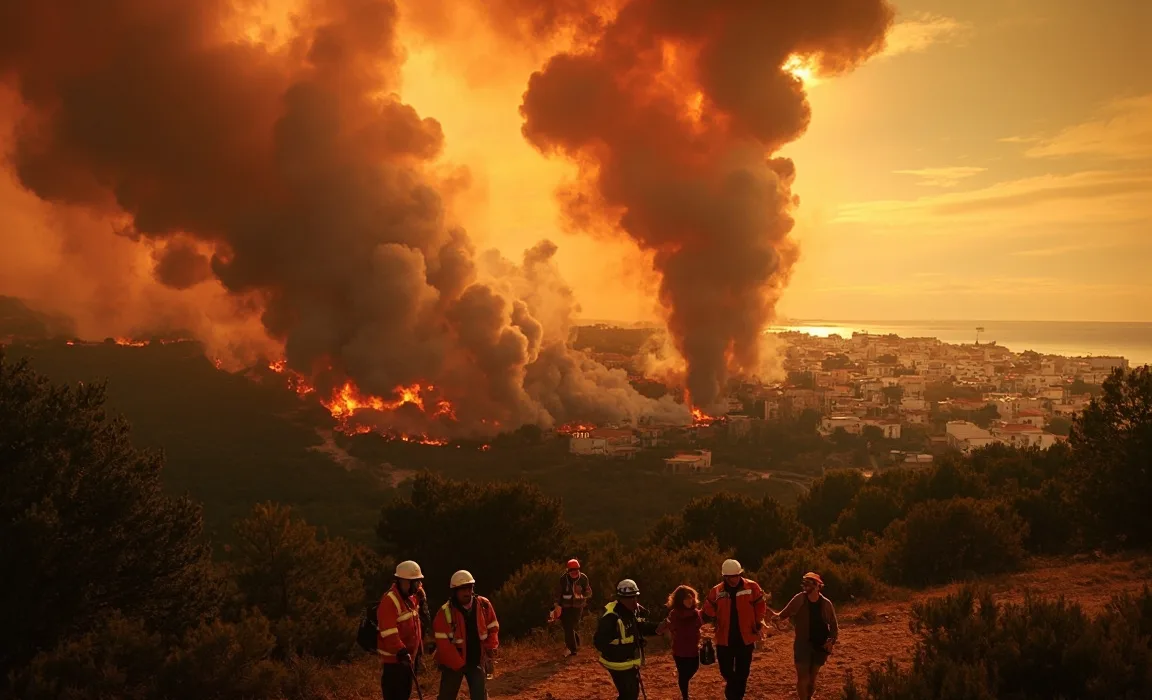
What happens when one of Spain's most picturesque coastal towns becomes engulfed in flames during peak tourist season? The answer is unfolding right now as Tarifa wildfire evacuations force hundreds to flee their homes and accommodations. The crisis has escalated dramatically over the past 48 hours, with authorities declaring a level 2 emergency as the blaze continues to spread across the southern Spanish region.
This rapidly developing situation has prompted immediate action from emergency services as the fire, fueled by strong Levante winds reaching up to 70 km/h, threatens both residential areas and precious natural habitats within the region. Local officials report that this is potentially the most serious wildfire incident in the area in over a decade.
Current Situation Overview
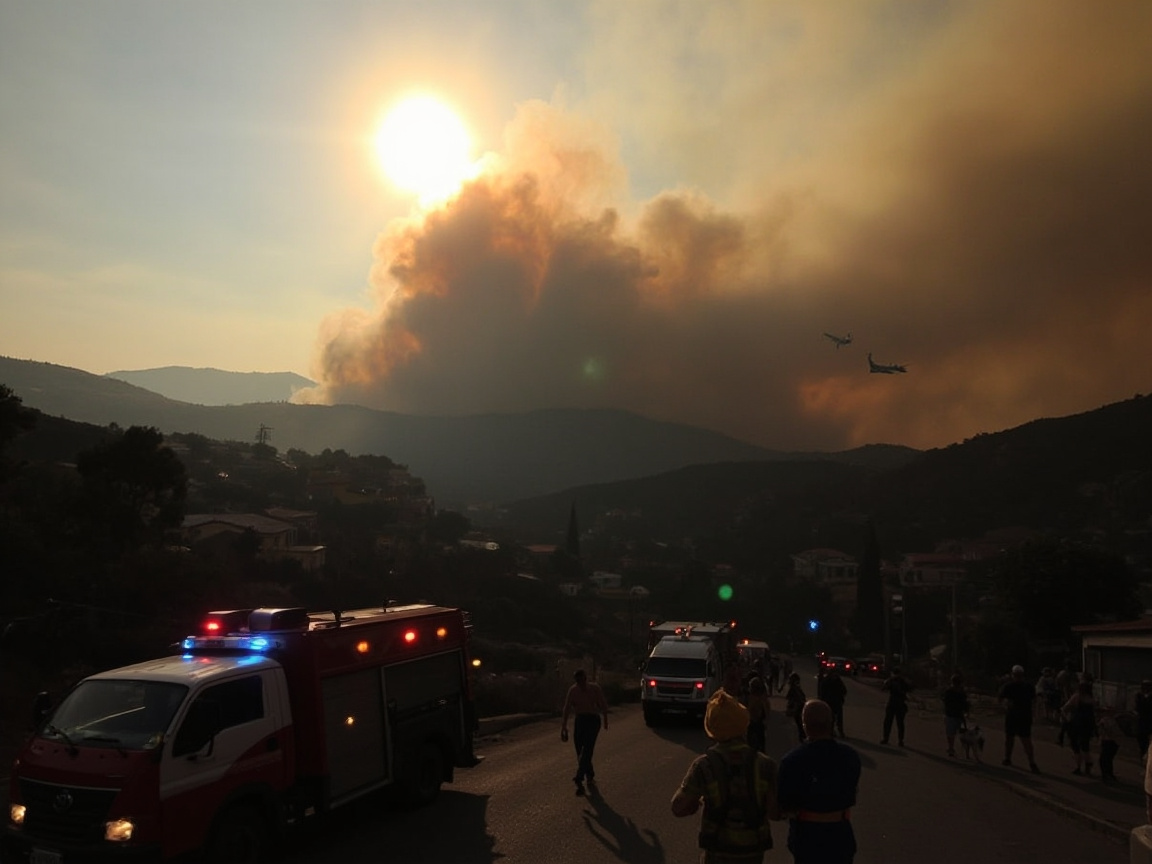
The wildfire began in the early hours of Monday in the mountainous terrain west of Tarifa and has since expanded to cover approximately 2,000 hectares of land. The Tarifa Spain fire emergency has intensified due to a combination of:
- Persistent drought conditions throughout the summer
- Unusually high temperatures reaching 35°C (95°F)
- Strong easterly winds that have accelerated the fire's spread
- Difficult terrain limiting ground access for firefighters
According to the latest reports from the Andalusian Forest Fire Extinction Service (INFOCA), containment efforts are being hampered by unpredictable wind shifts, with only approximately 15% of the fire perimeter under control.
Affected Areas and Evacuation Zones
Local authorities have ordered mandatory evacuations affecting several areas, including:
- The urbanizations of Atlanterra and Zahara de los Atunes
- Rural properties in the Los Alcornocales Natural Park periphery
- Several camping sites popular with summer tourists
- Small communities in the foothills near the fire's origin point
The evacuation order has impacted an estimated 1,200 residents and visitors, with numbers expected to rise if the fire continues its current trajectory toward more densely populated areas along the coast.
Emergency Response Mobilization
The scale of the Tarifa wildfire evacuations has prompted a coordinated multi-agency response including:
- 12 aircraft including water-bombing planes and helicopters
- 120 firefighting specialists from INFOCA
- 45 vehicles from local fire departments
- Civil Protection units from surrounding municipalities
- Military Emergency Unit (UME) deployment with specialized equipment
The aerial response has been particularly crucial, with aircraft making continuous water drops from dawn to dusk in an attempt to create firebreaks and protect critical infrastructure.
Weather Conditions Complicating Firefighting Efforts
Meteorological reports indicate that the challenging conditions are expected to persist for at least the next 48-72 hours, with:
- Continued strong Levante winds
- Low humidity levels below 30%
- No significant rainfall in the forecast
- Rising temperatures expected to peak midweek
These conditions create what firefighting experts term a "perfect storm" for wildfire propagation, making containment efforts particularly challenging and increasing the risk of unexpected flare-ups along the fire line.
Humanitarian Aid and Temporary Shelters
In response to the Tarifa wildfire evacuations, local authorities have established:
- Three emergency shelters in Tarifa's public schools
- A central coordination point for displaced persons at the municipal sports center
- Medical assistance stations staffed by Red Cross volunteers
- Food and essential supply distribution points
The mayor of Tarifa has confirmed that approximately 70% of evacuees have found accommodation with family and friends, while the remainder are being housed in the emergency shelters or local hotels that have offered rooms.
Environmental Impact Assessment
The wildfire is threatening several ecologically sensitive areas within the region, including:
- Parts of Los Alcornocales Natural Park, home to the largest cork oak forest in Spain
- Critical habitat for several endangered species
- Watershed areas that supply local communities
- Agricultural lands essential to the local economy
Environmental experts caution that the full impact won't be known until after the fire is extinguished, but preliminary assessments suggest significant damage to biodiversity hotspots within the affected zone.
Preventive Measures for Residents
For those in surrounding areas not yet under evacuation orders, authorities recommend:
- Preparing an emergency evacuation kit with essential documents and medications
- Keeping vehicles fueled and ready for potential rapid departure
- Following official channels for updates rather than social media rumors
- Avoiding unnecessary travel near affected areas to keep roads clear for emergency vehicles
Officials stress that early preparation is key, as evacuation orders may come with minimal advance notice if wind conditions shift suddenly.
Coordination Between Emergency Services
The Tarifa Spain fire emergency has activated provincial and regional emergency protocols, with:
- Hourly coordination meetings between all involved agencies
- Drone surveillance providing real-time mapping of the fire's progression
- Integrated communication systems ensuring consistent information flow
- International assistance on standby from neighboring Portugal if required
This coordinated approach has been essential in prioritizing resources and ensuring that evacuation routes remain secure as the situation evolves.
Recovery Planning and Support Systems
Even as firefighting efforts continue, authorities have begun preliminary recovery planning that includes:
- Emergency financial assistance for displaced residents
- Temporary housing solutions for those whose homes may be damaged
- Environmental restoration projects for affected natural areas
- Economic support measures for local businesses impacted by evacuation orders
The regional government has already allocated initial emergency funds of €2 million to support immediate recovery needs once the fire is contained.
Conclusion
The ongoing Tarifa wildfire evacuations represent one of the most serious emergency situations in southern Spain this summer. As firefighting teams work tirelessly to contain the blaze, the priority remains the safety of residents and the protection of homes and natural spaces. The coming days will be critical in determining whether containment efforts succeed or if further evacuations will be necessary.
For those affected by this crisis, the coordinated response from emergency services provides some reassurance, but the situation remains dynamic and potentially dangerous. We urge all readers in the region to stay vigilant, follow official guidance, and support relief efforts where possible.
We will continue to update this article as new information becomes available from official sources. For immediate emergency information, residents should monitor official government channels and emergency broadcast systems.
Frequently Asked Questions
How can I check if my area is under evacuation orders?
Official evacuation notices are being issued through the emergency alert system, local radio stations, and the official Tarifa municipal website. You can also call the emergency information line at 112 for the most current information.
What should I take with me if evacuated?
Prioritize essential documents, medications, phone chargers, a change of clothes, and pet supplies if applicable. Authorities recommend preparing for at least 3-5 days away from home.
Are tourists being accommodated in emergency shelters?
Yes, emergency shelters are available to both residents and visitors. Tourism offices are also helping to coordinate alternative accommodations where possible.
How can I help those affected by the wildfire?
The Red Cross has established a donation center at the Tarifa Cultural Center. Financial donations are particularly helpful as they allow for flexible response to emerging needs.
When might evacuees be allowed to return home?
Officials cannot yet provide a timeline for return. Even after the fire is contained, safety assessments must be completed to ensure areas are safe for reoccupation.