
Table of Contents
- Introducing Torrevieja's New Traffic Police Force: Essential Information for Residents and Visitors
- Key Details About the Traffic Police Deployment
- Primary Enforcement Areas
- Contact Information and Reporting Procedures
- Impact on Local Residents
- What Tourists Need to Know
- Common Traffic Violations and Penalties
- How to Appeal Traffic Citations
- Technology and Equipment Being Utilized
- Future Expansion Plans
- Conclusion
- Frequently Asked Questions
Introducing Torrevieja's New Traffic Police Force: Essential Information for Residents and Visitors
Did you know that Torrevieja experiences a population surge of over 400% during summer months, creating unique traffic management challenges that regular police forces struggle to address? This significant seasonal fluctuation has prompted local authorities to take decisive action with the launch of a dedicated traffic police Torrevieja unit. This specialized force represents a major shift in how traffic management and enforcement will be handled throughout the city and surrounding areas.
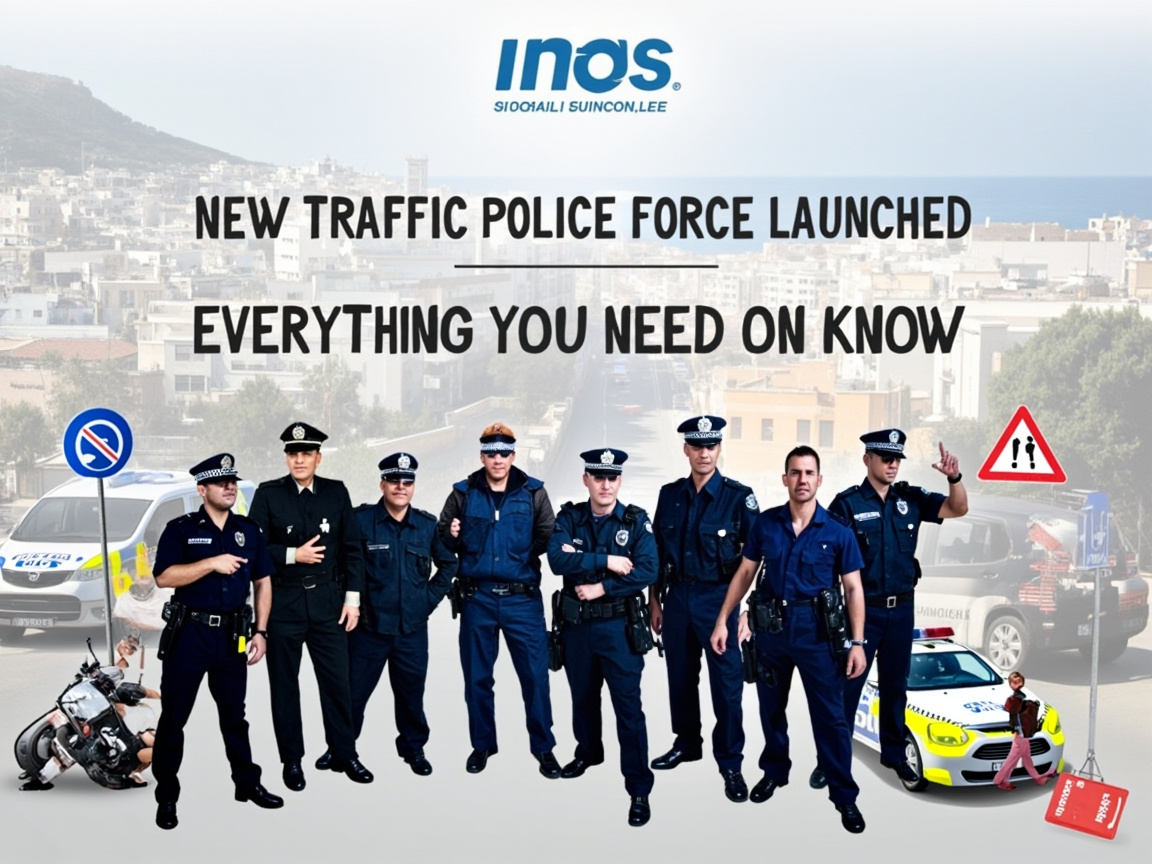
The new Policía de tráfico Torrevieja department has been established with the primary goal of improving traffic flow, reducing accidents, and ensuring both residents and the thousands of tourists who visit annually can navigate the city safely. Understanding how this new force operates is essential for anyone living in or visiting this popular Costa Blanca destination.
Key Details About the Traffic Police Deployment
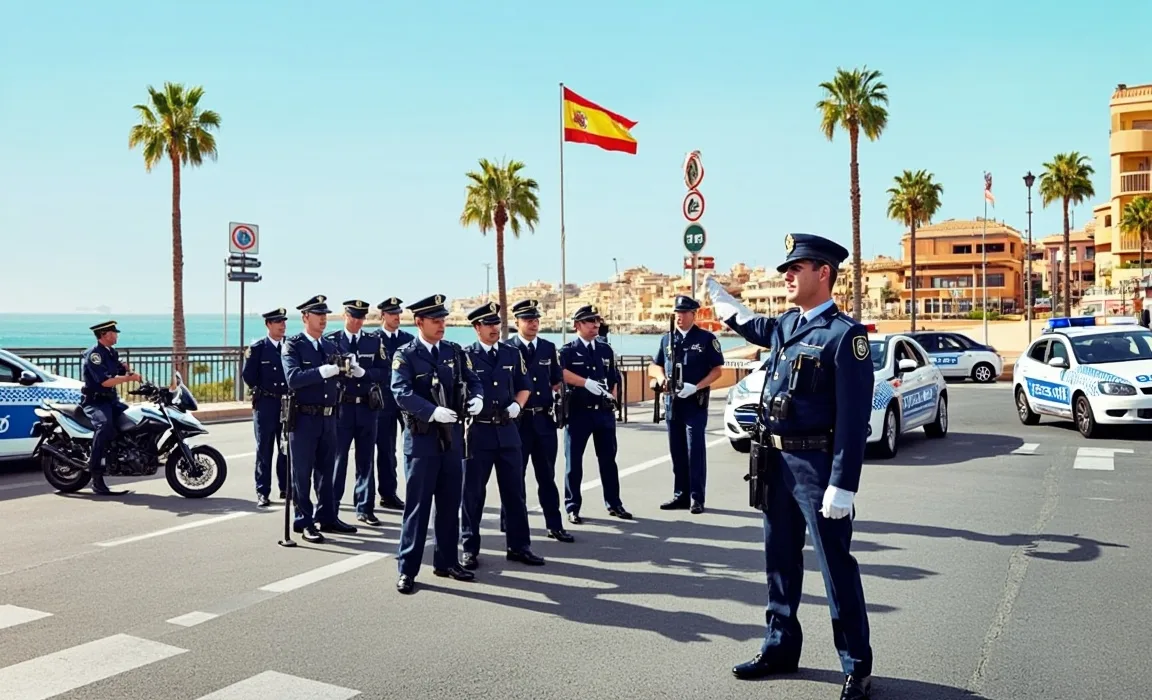
The newly formed traffic police unit consists of 35 specialized officers who have undergone advanced training in traffic management and modern enforcement techniques. This represents a 40% increase in dedicated traffic personnel compared to previous arrangements where general police officers handled traffic duties alongside other responsibilities.
The unit operates with extended hours from 7:00 AM to 11:00 PM daily, with plans to implement 24-hour coverage during the peak tourist season (June-September). This scheduling strategy addresses the 85% increase in traffic incidents typically recorded during summer months.
Primary Enforcement Areas
The traffic police Torrevieja force will focus on several key areas based on traffic analysis data:
Speed Control Zones
Officers will concentrate enforcement on the N-332 highway, Avenida de las Habaneras, and Avenida de las Cortes Valencianas, where 65% of speed-related incidents have been recorded.
Parking Enforcement
Special attention will be given to the beach areas and city center, particularly La Mata Beach and the Paseo Marítimo, where illegal parking increases by 120% during tourist season.
DUI Checkpoints
Strategic checkpoints will be established on major entry points to the city and popular nightlife areas, with increased frequency (3x more than previous years) during weekends and holidays.
Contact Information and Reporting Procedures
Residents and visitors can now contact the dedicated traffic police through multiple channels:
- Emergency traffic situations: 092 (local police) or 112 (general emergencies)
- Non-emergency traffic issues: New dedicated hotline: 966 708 154
- Email: trafico@torrevieja.eu
- Mobile app: "Torrevieja Segura" (available for iOS and Android)
- In-person: Central Traffic Office at Calle Ramón Gallud, 127
Reports can be filed in Spanish, English, German, and Russian, accommodating the diverse population that makes Torrevieja home.
Impact on Local Residents
Local residents will notice several changes with the implementation of the new Policía de tráfico Torrevieja department:
- Improved response times for traffic incidents (reduced by approximately 12 minutes on average)
- Enhanced enforcement of residential parking permits in central neighborhoods
- New traffic calming measures in residential areas, particularly around schools and elderly care facilities
- Regular neighborhood traffic safety workshops (scheduled monthly at community centers)
- Special considerations for residents during major events with designated local access routes
What Tourists Need to Know
Tourists visiting Torrevieja should be aware of these important changes:
- Tourist-specific parking areas have been designated with blue signage
- Rental car information packages now include essential traffic rule translations
- Digital traffic and parking information is available in multiple languages via QR codes at major entry points
- Traffic police officers in tourist areas are equipped with translation devices to overcome language barriers
- Special consideration is given to international driving permits with 72-hour grace periods for minor infractions
Common Traffic Violations and Penalties
The traffic police Torrevieja will be enforcing regulations with particular focus on:
- Speeding (fines ranging from €100-600 depending on severity)
- Illegal parking (€80-200, with potential towing costs of €120 plus daily storage fees)
- Driving under influence (€500-1000, plus potential license suspension)
- Mobile phone use while driving (€200 fine and 3 points from license)
- Failure to use seatbelts or child restraints (€200 fine and 3 points)
How to Appeal Traffic Citations
Residents and visitors have the right to appeal traffic citations through a newly streamlined process:
- Submit appeals within 20 calendar days of receiving citation
- Use the online portal at trafico.torrevieja.es/recursos
- Provide supporting evidence and clear explanation
- Receive decision notifications within 30 days (70% faster than previous system)
Technology and Equipment Being Utilized
The new traffic department has been equipped with state-of-the-art technology:
- 12 new patrol vehicles with advanced traffic monitoring systems
- 35 body cameras for officers to ensure transparent interactions
- 24 mobile speed detection devices with instant verification capabilities
- Digital citation system that reduces processing time by 65%
- AI-powered traffic flow analysis tools to deploy resources with maximum efficiency
Future Expansion Plans
The traffic police initiative includes phased expansion plans:
- Phase 2 (Q1 2026): Addition of 15 more specialized officers
- Phase 3 (Q3 2026): Implementation of smart traffic management systems at 27 key intersections
- Phase 4 (2027): Integration with regional traffic management networks for coordinated enforcement
Conclusion
The launch of the dedicated traffic police Torrevieja force marks a significant improvement in how traffic management is handled in this bustling coastal city. With specialized training, dedicated resources, and a focus on both enforcement and education, the new department aims to create a safer, more efficient traffic environment for everyone.
As the department continues to develop, both residents and tourists will benefit from improved traffic conditions, clearer regulations, and more responsive enforcement. Staying informed about these changes will help ensure a positive experience navigating Torrevieja's roads and contribute to the overall safety and enjoyment of this beautiful Mediterranean destination.
Frequently Asked Questions
How can I identify official traffic police officers in Torrevieja?
Official Policía de tráfico Torrevieja officers wear distinctive blue uniforms with reflective yellow stripes and carry official identification badges that you have the right to request to see.
Are traffic fines in Torrevieja different from those in other parts of Spain?
No, the fine structure follows national Spanish traffic regulations, though local enforcement priorities may differ based on Torrevieja's specific traffic challenges.
Can I pay traffic fines on the spot?
No, immediate payment is not required or accepted by officers. All fines must be paid through official channels (online, bank transfer, or at designated municipal offices).
Is there a grace period for tourists unfamiliar with local traffic rules?
Yes, there is a limited orientation period of 72 hours for tourists with international driving permits, during which warnings may be issued for minor infractions instead of immediate fines.
How will the new traffic police interact with the existing local police force?
The traffic police unit operates as a specialized division within the local police structure, with dedicated resources and training but coordinated management and communication systems.