

Table of Contents
- Spanish Coastal Authorities Issue Critical Warning Against Cliff Jumping
- The Growing Concern of Cliff Jumping in Spain
- Official Response from Spanish Authorities
- Why Cliff Jumping is Particularly Dangerous
- Specific Danger Zones in Spanish Coastal Areas
- Legal Consequences of Ignoring Warnings
- Safety Alternatives for Thrill-Seekers
- Understanding Hidden Underwater Hazards
- Emergency Resources for Tourists
- What to Do if You Witness Cliff Jumping
- Conclusion
- FAQs
Spanish Coastal Authorities Issue Critical Warning Against Cliff Jumping
Did you know that cliff jumping accidents in Spanish coastal areas have increased by 35% in the past three years alone? As summer approaches and tourists flock to Spain's picturesque coastlines, local authorities are sounding the alarm about a dangerous trend. Coastal Spanish city cliff jumping dangers have prompted officials to launch an urgent safety campaign targeting both visitors and residents. The rising popularity of social media challenges has transformed what was once considered a local risk into a widespread problem affecting numerous scenic spots along Spain's 8,000 kilometers of coastline.
Several coastal municipalities have reported serious injuries and even fatalities resulting from this high-risk activity. With Spain welcoming over 84 million international tourists annually, officials are intensifying their efforts to communicate these safety concerns effectively. Let's examine why this warning deserves serious attention from anyone planning to visit Spain's beautiful shores this season.
The Growing Concern of Cliff Jumping in Spain
The alarming increase in cliff jumping incidents has reached critical levels, with emergency services reporting a 27% rise in rescue operations specifically related to this activity. Most concerning is that approximately 68% of these incidents involve tourists unfamiliar with local waters and geological conditions.
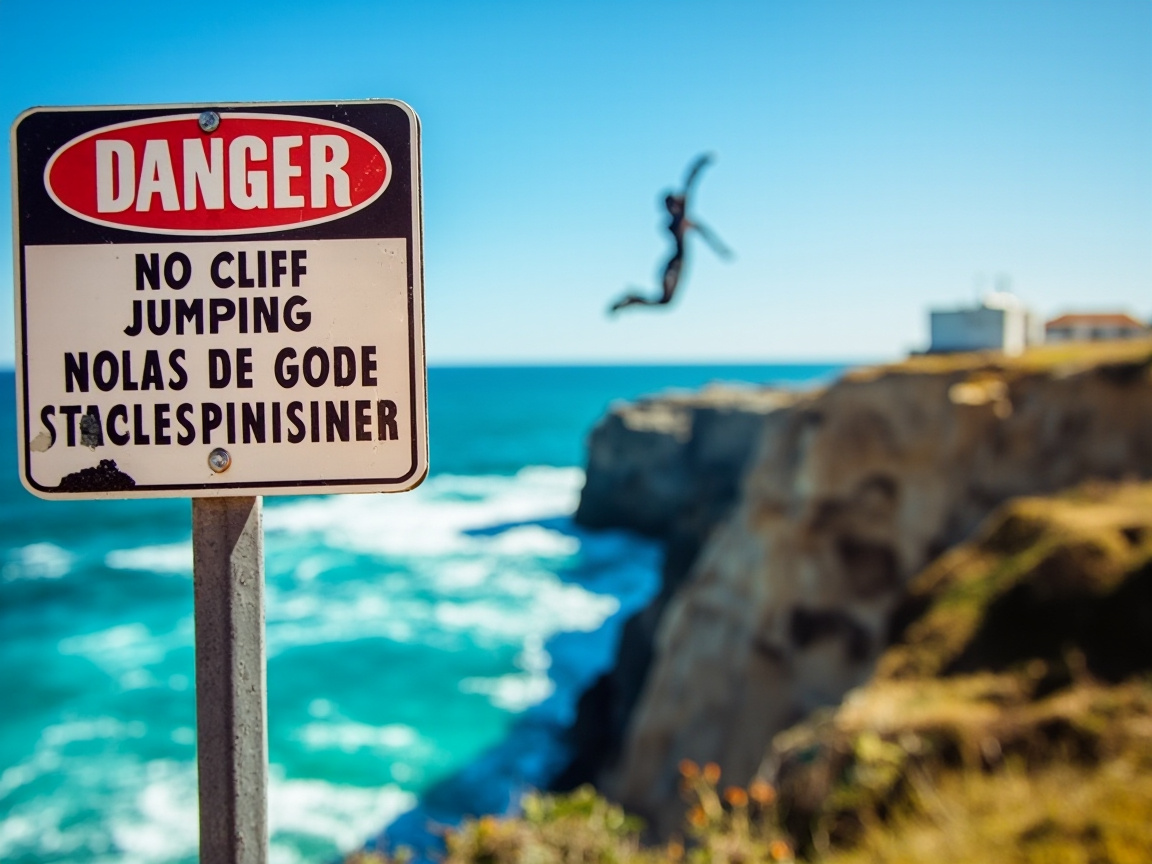
What began as isolated incidents has evolved into a pattern of risk-taking behavior, often fueled by social media popularity. The practice involves jumping from coastal cliffs, some exceeding heights of 20 meters, into waters below that may conceal dangerous rocks, unpredictable currents, and varying depths.
Official Response from Spanish Authorities
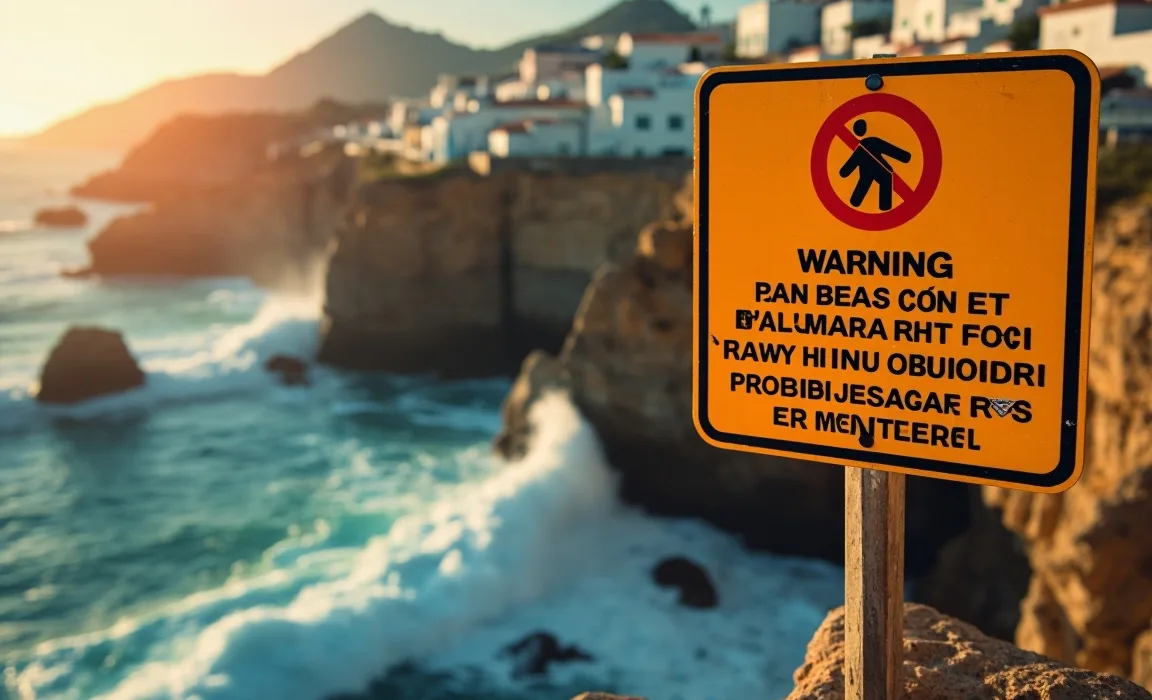
Spanish coastal municipalities have implemented a coordinated approach to address these dangers. New warning signs have been installed at popular cliff-jumping locations in multiple languages. Local police have increased patrols in high-risk areas, with the authority to issue fines reaching up to €3,000 for those caught engaging in this prohibited activity.
The Spanish Tourism Board has also incorporated Spain tourism safety warnings into their official materials and digital platforms. This comprehensive approach includes partnerships with hotels, tour operators, and travel agencies to ensure visitors receive safety information before visiting coastal areas.
Why Cliff Jumping is Particularly Dangerous
Several factors contribute to the extreme risks associated with cliff jumping in Spanish coastal regions:
-
Unpredictable water depths: Tidal changes can dramatically alter water levels, making a spot that appeared safe earlier potentially deadly hours later.
-
Hidden underwater hazards: Many cliff areas conceal submerged rocks that aren't visible from above.
-
Strong and irregular currents: Spanish coastal areas often experience powerful currents that can quickly sweep even strong swimmers away from safe exit points.
-
Limited rescue access: Many popular jumping spots are in remote locations where emergency services face significant challenges in reaching injured individuals.
Specific Danger Zones in Spanish Coastal Areas
Authorities have highlighted several high-risk regions where cliff jumping incidents have been particularly problematic:
- The Costa Brava's rocky formations in Catalonia
- Mallorca's cliff-lined northern coast
- The volcanic formations in Tenerife
- Sections of the Costa del Sol where beachgoers frequently climb adjacent cliffs
These locations have seen multiple serious incidents, prompting local governments to implement specific measures tailored to each area's unique challenges.
Legal Consequences of Ignoring Warnings
Beyond the obvious physical risks, visitors should understand that cliff jumping can result in significant legal consequences. Many Spanish coastal municipalities have enacted specific ordinances prohibiting the activity. Fines typically range from €500 to €3,000, depending on the severity and circumstances of the violation.
Additionally, rescue operations often incur substantial costs that may be charged to those requiring assistance due to engaging in prohibited activities. International visitors should note that such fines can be enforced through international agreements.
Safety Alternatives for Thrill-Seekers
For visitors seeking excitement without the extreme risks, Spanish coastal regions offer numerous regulated alternatives:
- Professionally guided coasteering tours
- Supervised diving excursions
- Water parks with high-dive platforms in controlled environments
- Cliff-climbing with proper equipment and instruction
These options provide similar thrills while maintaining essential safety standards and professional supervision.
Understanding Hidden Underwater Hazards
One of the most deceptive aspects of cliff jumping is the inability to accurately assess underwater conditions. Recent surveys conducted by Spanish marine safety organizations revealed that 72% of popular jumping spots had at least one significant underwater hazard not visible from above.
These hazards include partially submerged rocks, abandoned fishing equipment, unexpected depth changes, and marine debris carried by currents. Without local knowledge and proper assessment, determining the safety of a landing area is virtually impossible.
Emergency Resources for Tourists
Despite increasing warnings, authorities recognize that incidents will still occur. Visitors should familiarize themselves with emergency resources:
- The universal European emergency number: 112
- Local beach lifeguard services
- The Spanish maritime rescue service (Salvamento Marítimo): +34 900 202 202
- Mobile applications that can share precise location data with emergency services
Having this information readily available could prove critical in emergency situations.
What to Do if You Witness Cliff Jumping
Spanish authorities encourage a community approach to safety. If you witness someone preparing to cliff jump:
- Respectfully inform them about the dangers and local regulations
- Direct them to nearby supervised activities
- If they proceed despite warnings, maintain observation and be prepared to call emergency services
- Note the exact location using landmarks or GPS coordinates
- Do not endanger yourself in attempted rescues unless professionally trained
Conclusion
The dangers associated with cliff jumping in Spanish coastal areas represent a serious concern for both authorities and visitors. By understanding and respecting these warnings, tourists can enjoy Spain's magnificent coastlines safely while preserving their health and avoiding legal complications.
As the critical summer season approaches, Spanish officials are hopeful that increased awareness, enhanced signage, and strict enforcement will help reverse the troubling trend in cliff jumping incidents. Visitors are strongly encouraged to seek adventure through regulated channels and to embrace the many safe ways to experience Spain's natural coastal beauty.
FAQs
Q: Are there any cliff jumping locations in Spain that are considered safe?
A: No, Spanish authorities do not endorse any cliff jumping locations as safe. All natural cliff jumping carries inherent risks that cannot be fully mitigated.
Q: What penalties might I face for cliff jumping in prohibited areas?
A: Fines range from €500 to €3,000 depending on the location and circumstances. You may also be charged for rescue operation costs if emergency services are required.
Q: How can I identify areas where cliff jumping is prohibited?
A: Look for warning signs in multiple languages, red flags on beaches, and information at tourist offices. When in doubt, assume that cliff jumping is not permitted.
Q: What should I do if I see someone in distress after jumping from a cliff?
A: Call emergency services immediately (112), provide precise location details, and maintain visual contact with the person if possible. Do not attempt a rescue that could endanger you.
Q: Are children and teenagers particularly at risk?
A: Yes, younger visitors are statistically more likely to engage in this behavior and less likely to accurately assess risks. Parents and guardians should specifically address this activity with younger travelers.