

Table of Contents
- Discover Axarquia's Hidden Treasures: Andalusia's Authentic Inland Experience
- Introduction: Beyond the Tourist Trail
- Exploring the White Villages
- Timing: When to Visit Axarquia's Inland Gems
- Step-by-Step Guide to Discovering Axarquia
- Local Cuisine Highlights
- Outdoor Activities for Nature Lovers
- Cultural Experiences Beyond the Beach
- Common Misconceptions About Axarquia
- Travel Tips for Exploring Inland Axarquia
- Conclusion
- FAQs
Discover Axarquia's Hidden Treasures: Andalusia's Authentic Inland Experience
Introduction: Beyond the Tourist Trail
Did you know that while over 12 million tourists visit the Costa del Sol annually, less than 15% venture into the breathtaking inland regions of Malaga province? This striking statistic reveals one of Spain's best-kept secrets: the mesmerizing rural landscape of Axarquia inland tourism. Located just 30 minutes from the bustling beaches, this hidden gem offers an authentic slice of Andalusian life that few international visitors experience.
The Axarquia region represents the eastern portion of Malaga province, extending from the Mediterranean coast to the rugged mountains that separate Malaga from Granada. While coastal towns like Torre del Mar and Nerja attract sun-seekers, it's the inland territory that preserves the true essence of traditional Spanish culture, architecture, and gastronomy.
Exploring the White Villages
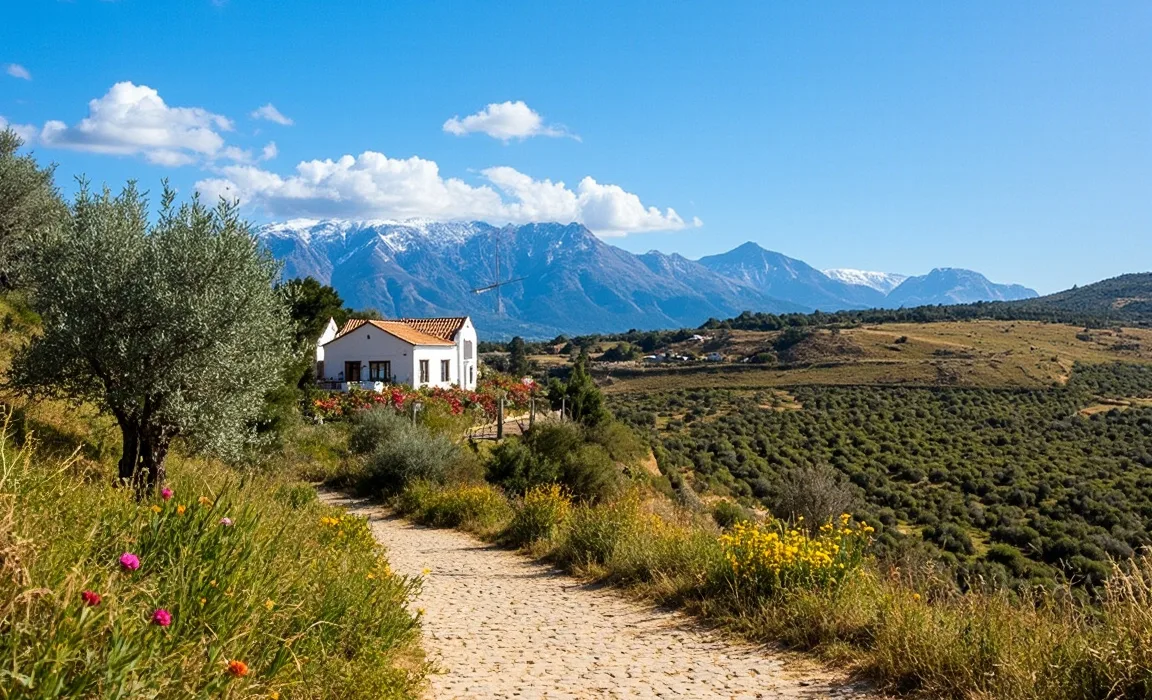
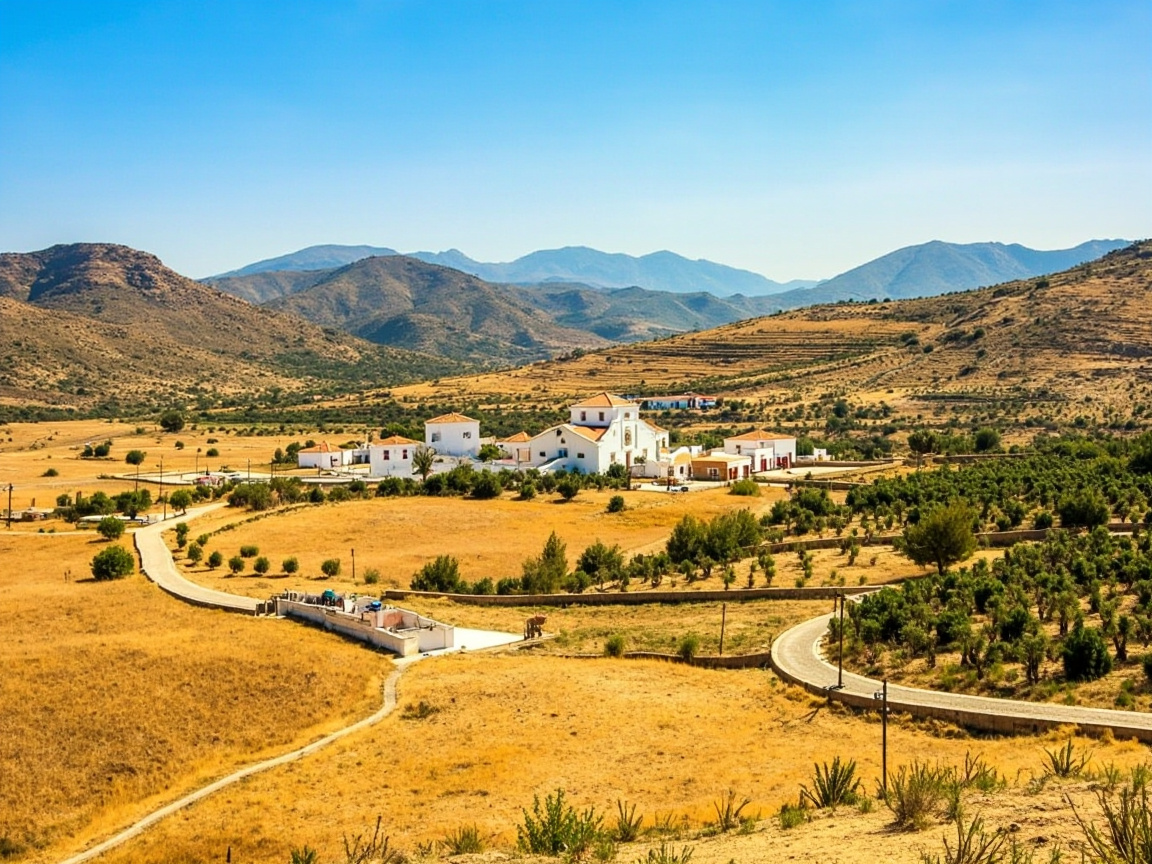
The white villages of Axarquia Spain form a striking network of pristine pueblos blancos that seem to cascade down mountainsides like scattered pearls. Unlike their more famous counterparts in Cadiz province, Axarquia's white villages remain refreshingly authentic and uncrowded.
These picturesque settlements, with their whitewashed buildings and terracotta roofs, offer visitors:
- Narrow, winding streets that date back to Moorish times
- Panoramic viewpoints overlooking olive groves and vineyards
- Local craft shops selling authentic Andalusian products
- Family-run restaurants offering traditional cuisine made with local ingredients
- Centuries-old churches and historical buildings that tell the story of the region
Each village has its own distinct character and traditions, making a multi-village tour one of the most rewarding ways to experience the diversity of Axarquia inland tourism.
Timing: When to Visit Axarquia's Inland Gems
While coastal Malaga remains busy year-round, inland Axarquia offers different experiences depending on when you visit. The optimal times to explore are:
- Spring (April-June): Ideal hiking weather with average temperatures of 18-25°C, wildflowers in bloom, and 30% fewer visitors than coastal areas
- Fall (September-November): Perfect for food enthusiasts, as this is harvest season for olives, almonds, and the famous muscatel grapes
- Winter (December-February): Mild daytime temperatures (12-15°C) make exploring comfortable, while evenings by the fireplace in rural accommodations offer authentic charm
Summer brings festivals to many villages, but temperatures can reach 35°C, making midday exploration challenging. Plan early morning or evening outings during July and August.
Step-by-Step Guide to Discovering Axarquia
Start in Comares
Nicknamed the "Balcony of Axarquia," this village perched at 703 meters above sea level offers 360-degree views of the surrounding countryside. The journey up the winding road takes approximately 25 minutes from the coast but rewards visitors with:
- A medieval fortress with Moorish origins
- Ceramic footprints embedded in the streets to guide your tour
- The nearby Cuevas del Pito archaeological site
Explore Frigiliana
Often voted one of Spain's most beautiful villages, Frigiliana is a masterclass in Moorish-influenced architecture. Just 7km from Nerja, this pristine white village features:
- A perfectly preserved medieval neighborhood (Barrio Alto)
- The fascinating "Festival of Three Cultures" in late August
- Award-winning local honey products and artisanal shops
Visit Competa
Known for its excellent wines, Competa sits at the foot of the Sierra Almijara mountains. Don't miss:
- The Night of the Wine festival (August 15th)
- The impressive 16th-century Church of La Asunción
- Local wine bodegas offering tastings of sweet Muscatel wines
Discover El Borge
The "raisin capital" of Axarquia, this authentic village showcases:
- Traditional raisin drying beds (paseros)
- The September Raisin Day festival
- The birthplace of legendary bandit "El Bizco del Borge"
Local Cuisine Highlights
The gastronomy of inland Axarquia reflects its agricultural heritage and remains largely unchanged for generations. Essential dishes to sample include:
- Ajoblanco: A refreshing cold soup made from almonds, garlic, bread, and olive oil
- Migas: Seasoned breadcrumbs typically served with local chorizo and peppers
- Chivo lechal malagueño: Roasted kid goat, a regional specialty
- Pasas moscatel: World-famous raisins made from sun-dried muscatel grapes
- Vino de Málaga: Sweet fortified wines that have been produced here since Roman times
Nearly 80% of restaurants in inland villages source ingredients locally, ensuring a farm-to-table experience that coastal tourist establishments rarely match.
Outdoor Activities for Nature Lovers
Axarquia inland tourism offers exceptional outdoor experiences with far fewer crowds than coastal areas. Adventure seekers can enjoy:
- Hiking through Sierra Tejeda Natural Park, with routes suitable for all levels
- Mountain biking on ancient trade paths between villages
- Kayaking on Lake Viñuela, the region's azure reservoir
- Bird watching, with opportunities to spot over 200 species including eagles and vultures
- Stargazing under some of Spain's clearest night skies, with 70% less light pollution than coastal areas
Cultural Experiences Beyond the Beach
The rich cultural heritage of Axarquia extends far beyond its architectural beauty. Visitors can immerse themselves in:
- Local crafts workshops learning traditional techniques
- Olive oil and wine tastings at family-run producers
- Agricultural experiences like participating in the grape or olive harvest
- Traditional music performances featuring verdiales, the distinctive folk music of the region
- Museums dedicated to regional history, including the fascinating bandolero (bandit) era
Common Misconceptions About Axarquia
Many travelers miss white villages of Axarquia Spain due to persistent myths:
- "It's too remote" – In reality, most villages are within 30-45 minutes of the coast
- "There's nothing to do" – The region offers more authentic cultural experiences than many coastal areas
- "It's closed in winter" – Unlike some seasonal coastal businesses, inland establishments operate year-round
- "The roads are dangerous" – Modern infrastructure has made access easy and safe, even for inexperienced drivers
Travel Tips for Exploring Inland Axarquia
For an optimal experience of this hidden corner of Andalusia:
- Rent a car – public transportation exists but limits flexibility
- Learn basic Spanish phrases – fewer people speak English than in coastal tourist zones
- Stay overnight in at least one village to experience authentic evening ambiance
- Carry cash – not all small businesses accept cards
- Respect siesta time (approximately 2-5pm) when many businesses close
Conclusion
While millions flock to Spain's southern coast, the treasures of inland Axarquia remain a rewarding secret for travelers seeking authentic Andalusian experiences. The Axarquia inland tourism scene offers a perfect complement to any Costa del Sol vacation or a worthy destination in its own right.
By venturing just a short distance from the beaches, visitors discover a landscape where traditional Spanish life continues largely unchanged, where meals are unhurried, landscapes are breathtaking, and cultural experiences are genuine. Whether you're captivated by the white villages of Axarquia Spain, the outdoor adventures, or the culinary delights, this inland region promises memories that last far longer than a typical beach holiday.
Take the road less traveled and discover what most tourists miss – Andalusia's authentic heart beats strongest in the hills of Axarquia.
FAQs
How far is Axarquia from Malaga Airport?
The first villages of Axarquia can be reached in approximately 35-40 minutes by car from Malaga Airport, making it an easily accessible day trip.
Do I need to rent a car to explore Axarquia?
While public buses connect some villages to coastal towns, a rental car provides the flexibility to explore at your own pace and reach more remote locations.
What's the best village to use as a base for exploring Axarquia?
Competa and Frigiliana offer excellent accommodation options and central locations for exploring other parts of the region.
Is English widely spoken in inland Axarquia?
Unlike coastal resorts, English is less commonly spoken in inland areas. Basic Spanish phrases are helpful, though locals appreciate visitors' attempts to communicate.
Are the white villages suitable for visitors with mobility issues?
Many villages have steep, cobbled streets that can be challenging. However, villages like Periana and areas of Frigiliana have more accessible sections for those with mobility concerns.