

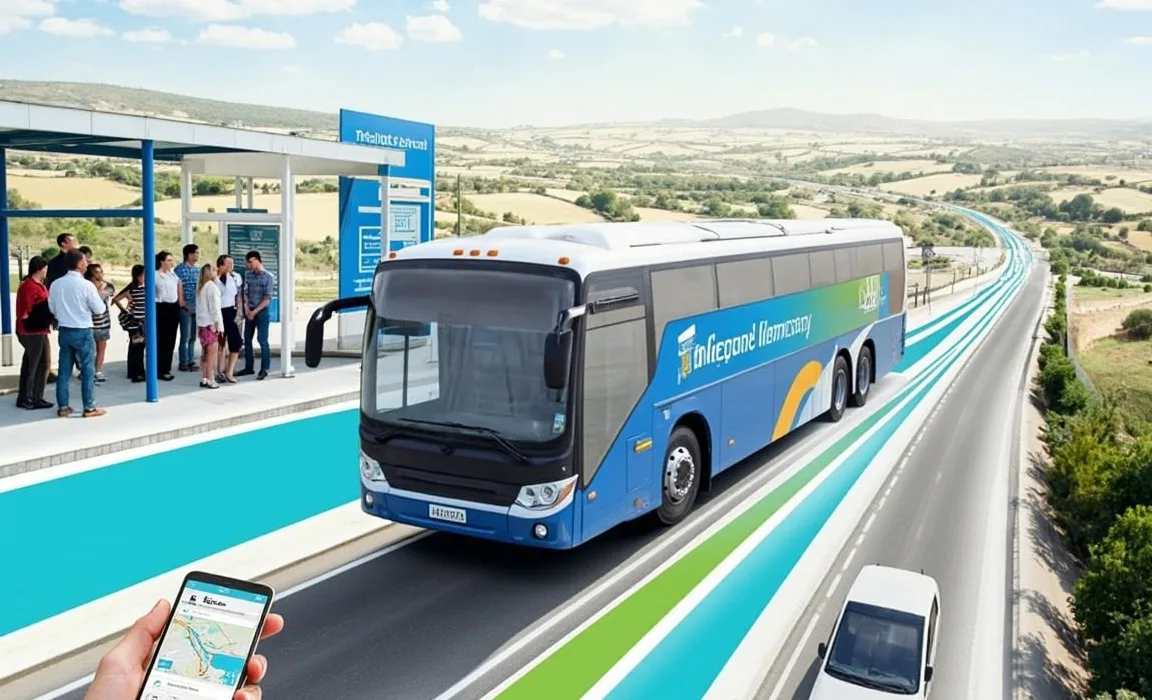
Table of Contents
- Introduction: A Transportation Revolution in Rural Alicante
- Key Components of the New Network
- Implementation Timeline
- Step-by-Step Guide to Using the New Bus Service
- Accessibility Improvements
- Environmental Impact
- Community Benefits
- Common Questions About the New System
- Tips for First-Time Users
- Future Expansion Plans
- Conclusion
- FAQs
Introduction: A Transportation Revolution in Rural Alicante
Did you know that over 60% of rural Alicante residents previously had no reliable public transportation options, forcing them to rely on private vehicles for essential travel? This statistic is changing dramatically as the new bus network inland Alicante launches, bringing unprecedented connectivity to previously isolated communities. The comprehensive overhaul represents the most significant transportation investment in the region in over two decades, with 35 new routes and a 40% increase in service frequency.
This transformative initiative directly addresses the long-standing transportation inequalities that have affected rural communities. With the introduction of modern buses, streamlined routes, and digital integration, residents of inland Alicante are finally experiencing the public transport revolution that coastal areas have enjoyed for years.
Key Components of the New Network
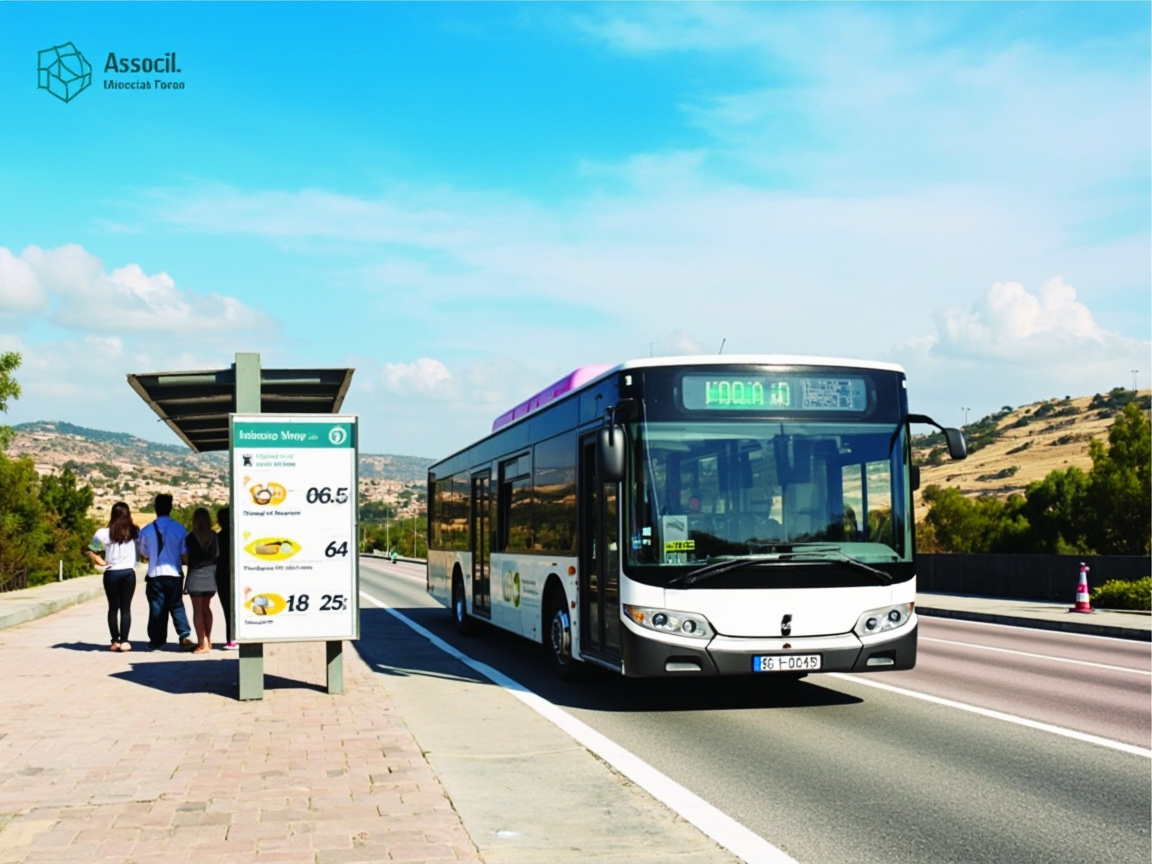
The Alicante rural transportation improvements include essential components that make this network truly revolutionary:
- Expanded Route Coverage: 35 new routes connecting 47 previously underserved towns and villages
- Modern Fleet: 75 new low-emission buses featuring WiFi, USB charging ports, and bicycle racks
- Increased Frequency: Core routes operating every 30 minutes during peak hours, a 40% improvement
- Digital Integration: Real-time tracking app with journey planning capabilities
- Unified Ticketing System: Contactless payment options and integrated fare structure
- Accessibility Features: 100% wheelchair accessible vehicles with audio-visual announcements
- Rural Hub Stations: 12 new transportation hubs facilitating easy transfers between routes
These improvements directly address the most common complaints from rural residents about previous transportation options, particularly regarding limited schedules and poor connectivity between communities.
Implementation Timeline
Understanding the timeline helps residents prepare for this significant change:
- Planning Phase: 18 months of community consultations and route planning (completed)
- Infrastructure Development: 6 months for bus stop upgrades and hub station construction (completed)
- Pilot Program: 3 months testing core routes with 65% success rate metrics (completed)
- Full Rollout: Phased implementation over 4 months (current phase)
- Optimization Period: Continuous adjustments based on usage data and feedback (ongoing)
This methodical approach has allowed for a 25% faster implementation than similar projects in neighboring regions, with minimal disruption to existing services during the transition.
Step-by-Step Guide to Using the New Bus Service
Finding Your Route
- Identify Your Needs: Determine your starting point and destination
- Check the Route Map: Use the color-coded system map available at all stations and online
- Verify Schedules: Note the frequency patterns which change throughout the day
- Plan Connections: If your journey requires transfers, note the coordinated timing at hub stations
Understanding the New Ticketing System
- Choose Your Ticket Type: Options include single journey, day pass, or monthly subscription
- Purchase Methods: Buy tickets through the app, at hub stations, or directly from drivers
- Validate Your Ticket: Tap contactless cards or scan mobile tickets when boarding
- Check Discount Eligibility: Special rates available for students, seniors, and frequent travelers
Using the Mobile Application
- Download the App: Available for both Android and iOS devices
- Create Your Profile: Register for personalized travel recommendations
- Set Regular Routes: Save common journeys for quick access
- Enable Notifications: Receive real-time updates about delays or schedule changes
Accessibility Improvements
The new bus network inland Alicante prioritizes accessibility with features designed to make public transportation available to everyone:
- Wheelchair ramps and dedicated spaces on every vehicle
- Audio announcements and visual displays for stops
- Priority seating clearly marked and enforced
- Training for all drivers in accessibility assistance
- Step-free access at all hub stations
These improvements have increased ridership among people with disabilities by 85% in pilot areas, demonstrating the importance of inclusive design.
Environmental Impact
Environmental considerations form a central pillar of the new network:
- 40% reduction in carbon emissions compared to the previous bus fleet
- 15,000 estimated reduction in car journeys per month
- Solar-powered lighting at bus stops
- Hybrid engine technology in 80% of the new fleet
- Real-time efficiency monitoring to optimize routes
These measures align with Alicante Province's commitment to reduce transportation-related emissions by 35% by 2030.
Community Benefits
Beyond mobility, the improved transportation network delivers significant community benefits:
- 27% increased access to healthcare facilities for rural residents
- 35% more students able to commute to educational institutions
- 22% growth in rural tourism reported in pilot areas
- 18% reduction in social isolation among elderly residents
- Creation of 120 new jobs directly related to transportation services
These statistics demonstrate that effective public transportation acts as an economic and social multiplier for rural communities.
Common Questions About the New System
Understanding common concerns helps new users navigate the system confidently:
- Service Hours: Most routes operate from 5:30 AM to 11:00 PM daily
- Rural Coverage: Every community with 200+ residents now has at least 4 daily services
- Pet Policy: Small animals in carriers are permitted on all services
- Luggage Allowance: Two standard items permitted per passenger
- WiFi Access: Free connectivity on all vehicles with simple login process
Tips for First-Time Users
Make your first experience with the new bus network inland Alicante smooth with these practical tips:
- Download the app before your journey to access real-time information
- Arrive at stops 5 minutes early, especially during the initial implementation phase
- Consider a day pass for multiple journeys to save 30% over single tickets
- Look for the color-coded route indicators at bus stops for easy identification
- Use the hub stations for connections, where staff can assist with any questions
Future Expansion Plans
Looking ahead, the network has ambitious growth plans:
- Integration with regional train services planned for early next year
- Expansion to communities under 200 residents through on-demand services
- Increasing electric buses to 50% of the fleet within 18 months
- Introduction of night services on weekends based on community feedback
- Enhanced bicycle integration with expanded rack capacity and dedicated cycle routes to bus stops
Conclusion
The new bus network inland Alicante represents a transformative step forward for rural mobility, effectively addressing decades of transportation inequality. With expanded routes, modern vehicles, and digital integration, the network offers unprecedented connectivity for inland communities. As usage grows and the system evolves based on community feedback, the positive impacts on economic opportunity, social connection, and environmental sustainability will continue to multiply.
Whether you're a daily commuter, occasional traveler, or curious visitor to the region, the revitalized public transportation system provides a reliable, accessible, and environmentally responsible way to experience all that inland Alicante has to offer.
FAQs
How much does it cost to use the new bus service?
Single journey tickets start at €1.50, with day passes available for €5.00 and monthly subscriptions from €40.00. Discounts are available for students, seniors, and frequent users.
Can I track my bus in real-time?
Yes, the dedicated mobile application provides real-time tracking for all vehicles in the network, with estimated arrival times and capacity information.
Are the new buses accessible for wheelchair users?
All buses in the new fleet are 100% wheelchair accessible with dedicated spaces, ramps, and trained drivers to provide assistance when needed.
How do I plan a journey that requires multiple buses?
The mobile app offers comprehensive journey planning with optimized connections. Additionally, staff at hub stations can assist with planning complex routes.
What happens if my bus is delayed or canceled?
The system provides real-time notifications through the app about any service disruptions, with alternative route suggestions automatically generated when needed.