


Table of Contents
- Summer of Tragedy: Spain's Deadly Heatwave Claims 1,180 Lives in Two Months
- Understanding the Crisis: Spain's Catastrophic Summer Death Toll
- Why Heat Kills: The Deadly Mechanics of Extreme Temperatures
- Most Vulnerable Populations
- Prevention Measures: Saving Lives During Heat Emergencies
- Climate Change Connection: The Growing Threat
- Spain's Response: Government Initiatives
- Health System Adaptations
- Future Outlook: Preparing for Worsening Heat Events
- Global Context: Heat Crises Beyond Spain
- Conclusion: Facing the Heat Challenge
- FAQs
Summer of Tragedy: Spain's Deadly Heatwave Claims 1,180 Lives in Two Months
What happens when a nation faces temperatures so extreme that they turn deadly? Spain has just experienced one of its most devastating summer heat crises, with a staggering 1,180 heat-related fatalities recorded during a two-month period. This deadly heat wave in Spain has shocked health officials and highlighted the growing threat of extreme temperature events across Europe and globally.
The scorching temperatures, reaching well above 40°C (104°F) in many regions, have transformed what should have been a typical Mediterranean summer into a public health emergency. With climate scientists warning that such events will become more common, the human toll of this crisis demands our urgent attention.
Understanding the Crisis: Spain's Catastrophic Summer Death Toll
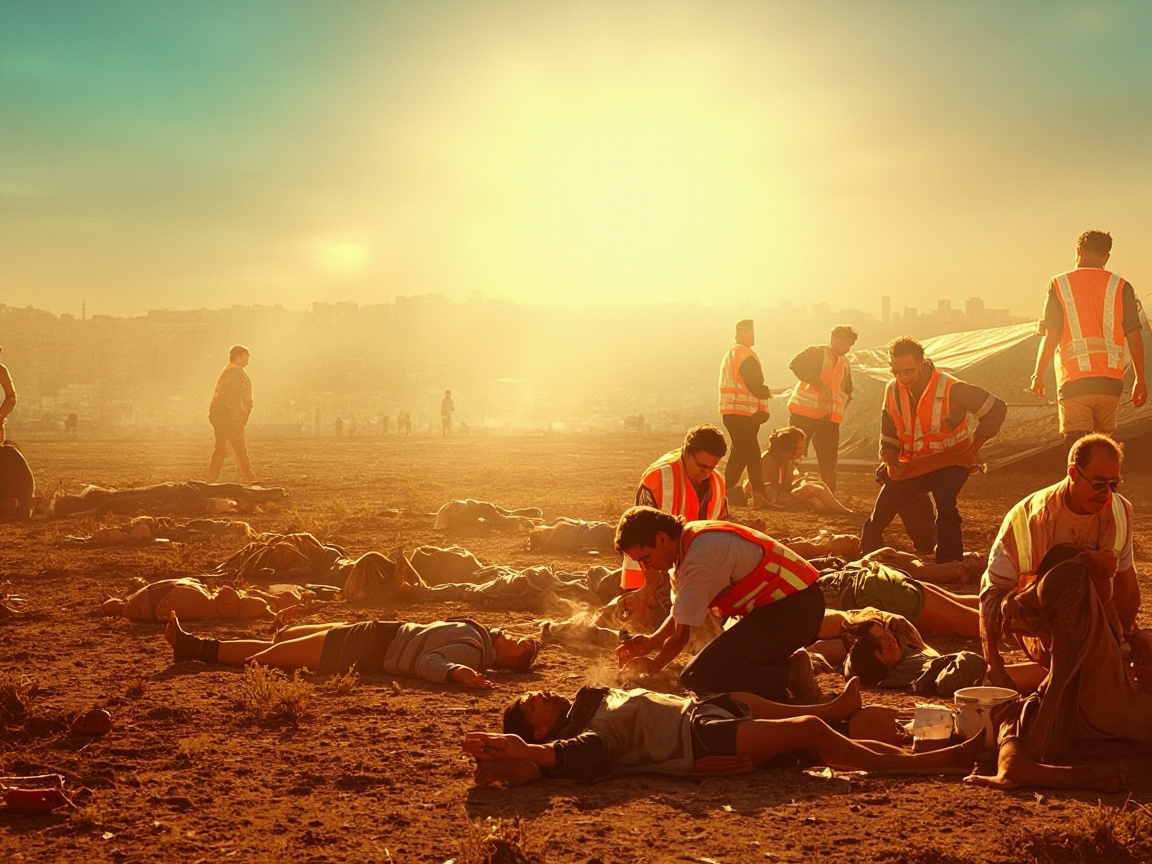
The recent heat wave crisis in Spain unfolded over June and July, with temperatures consistently exceeding seasonal norms by 5-10°C across the country. Analysis from Spain's Carlos III Health Institute revealed that the death toll reached unprecedented levels, with elderly citizens accounting for nearly 85% of all fatalities.
Key statistics from the crisis:
- 1,180 confirmed heat-related deaths
- 60% increase in emergency room visits for heat-related conditions
- 78% of deaths occurred in central and southern regions
- 30% spike in ambulance calls during peak temperature days
Why Heat Kills: The Deadly Mechanics of Extreme Temperatures
Heat-related deaths occur when the body's cooling mechanisms become overwhelmed. As temperatures climb, the human body attempts to regulate through sweating and increased blood flow to the skin. When these natural cooling systems fail, body temperature rises rapidly, leading to heat exhaustion and potentially fatal heat stroke.
Medical experts note that prolonged exposure to temperatures above 35°C (95°F) significantly increases mortality risk, especially when combined with high humidity levels that prevent sweat evaporation – a condition Spain experienced repeatedly during this crisis.
Most Vulnerable Populations
The heat wave's deadly impact was not distributed equally. Data shows that several groups faced disproportionate risk:
- Elderly individuals (75+ years): 7 times higher mortality rate
- People with pre-existing cardiovascular conditions: 5 times increased risk
- Those living without air conditioning: 3 times higher hospitalization rates
- Outdoor workers: 65% more likely to suffer heat-related illness
- Residents of urban "heat islands": 40% higher exposure to dangerous temperatures
Prevention Measures: Saving Lives During Heat Emergencies
Health authorities emphasize that many heat-related deaths are preventable with proper precautions. Essential protection strategies include:
- Stay hydrated with 2-3 liters of water daily during heat events
- Avoid outdoor activities between 11 AM and 4 PM
- Use cooling centers and air-conditioned public spaces
- Check regularly on vulnerable neighbors and relatives
- Wear loose, light-colored clothing
- Take cool showers or use wet towels to reduce body temperature
- Recognize early warning signs of heat exhaustion (dizziness, heavy sweating, rapid pulse)
These measures have proven effective in reducing heat-related deaths Europe wide, yet implementation remains inconsistent across regions.
Climate Change Connection: The Growing Threat
Climate researchers have drawn direct connections between the intensity of Spain's recent heat waves and climate change. Data from the European Environment Agency shows that heat wave frequency in Southern Europe has tripled since the 1960s, with each decade bringing longer and more intense temperature spikes.
"What we're witnessing in Spain is the new normal," explains Dr. Elena Moreno of the Barcelona Institute for Global Health. "Climate models predict that by 2050, events like this summer's heat wave will occur almost annually across the Mediterranean basin."
Spain's Response: Government Initiatives
In response to the crisis, Spanish authorities implemented emergency measures, including:
- Activation of the national heat emergency plan in early June
- Extension of public pool and cooling center hours
- Distribution of water and cooling supplies in high-risk areas
- Temporary work restrictions during peak heat hours
- Public awareness campaigns via television, radio, and mobile alerts
Health System Adaptations
Spain's healthcare system faced enormous strain during the heat crisis. Hospitals reported:
- 40% increase in emergency admissions
- Special heat units established in major cities
- Redeployment of medical staff to heat-affected regions
- Expedited home care visits to monitor vulnerable patients
- Enhanced telemonitoring systems for elderly living alone
Future Outlook: Preparing for Worsening Heat Events
Urban planners and public health experts are now collaborating on longer-term resilience strategies to address Spain's growing heat vulnerability:
- Increasing urban green spaces by 30% within the next decade
- Retrofitting public housing with cooling systems
- Developing early warning systems with 10-day heat forecasts
- Expanding community cooling centers in high-risk neighborhoods
- Implementing stricter workplace regulations for extreme temperature days
Global Context: Heat Crises Beyond Spain
Spain's tragedy reflects a broader pattern of increasing heat-related mortality worldwide. Recent data shows similar crises unfolding across Southern Europe, North Africa, and the Middle East. The World Health Organization estimates that between 2000-2019, global heat-related deaths increased by 53%, with European countries experiencing some of the steepest rises.
Heat now kills more Europeans annually than any other weather-related disaster, highlighting the urgent need for coordinated international adaptation strategies.
Conclusion: Facing the Heat Challenge
The loss of 1,180 lives in Spain's recent heat wave represents a stark warning about our changing climate and the human costs of extreme weather events. As temperatures continue to rise globally, the lessons from this crisis – improved early warning systems, targeted protection of vulnerable populations, and climate-resilient urban planning – will become increasingly vital.
Spain's deadly summer serves as a tragic reminder that heat waves are no longer merely uncomfortable inconveniences but serious public health emergencies requiring comprehensive preparation and response.
FAQs
What caused Spain's heat wave to be so deadly?
The combination of sustained high temperatures (above 40°C), elevated nighttime temperatures preventing bodily recovery, high humidity levels, and inadequate cooling infrastructure in many areas created particularly dangerous conditions.
Who is most at risk during extreme heat events?
Elderly individuals, people with chronic health conditions (especially cardiovascular and respiratory issues), pregnant women, young children, outdoor workers, and those without access to air conditioning face the highest risk.
How can I recognize heat stroke symptoms?
Heat stroke symptoms include body temperature above 103°F (39.4°C), hot, red, dry skin, rapid and strong pulse, throbbing headache, dizziness, nausea, confusion, and unconsciousness. This is a medical emergency requiring immediate attention.
Will heat waves like Spain's become more common?
Yes, climate models predict increasingly frequent, intense, and prolonged heat waves across Southern Europe as global temperatures continue to rise, with events that were once rare becoming regular occurrences.
What are heat islands and why do they matter?
Urban heat islands are metropolitan areas that experience higher temperatures than surrounding rural areas due to human activities, buildings, and reduced vegetation. They can magnify heat wave impacts by 2-5°C, significantly increasing health risks for city residents.