

Table of Contents
- Torrevieja Launches Tender for New Salt Interpretation Centre | Tourism Development
- Introduction: Revitalizing Torrevieja's Historic Salt Legacy
- Project Overview: A Window to Salt Heritage
- Investment and Funding Details
- Architectural Vision and Exhibition Spaces
- Timeline for Completion
- Economic Impact on Local Tourism
- Environmental Considerations
- Connection to Existing Salt Industry Sites
- Community Response
- Conclusion: Preserving Salt Heritage for Future Generations
- FAQs
Torrevieja Launches Tender for New Salt Interpretation Centre | Tourism Development
Introduction: Revitalizing Torrevieja's Historic Salt Legacy
Did you know that Torrevieja's economy was built on "white gold" long before tourism became its primary industry? The city's 800-year salt production history is finally getting the recognition it deserves as the Torrevieja Salt Interpretation Centre tender has officially been announced by local authorities. This ambitious project aims to create a state-of-the-art facility that will educate visitors about the pivotal role salt production has played in shaping the region's economy, culture, and landscape. The tender represents a significant step in Torrevieja's strategy to diversify its tourism offerings beyond beaches and create year-round attractions that highlight the city's unique industrial heritage.
Project Overview: A Window to Salt Heritage
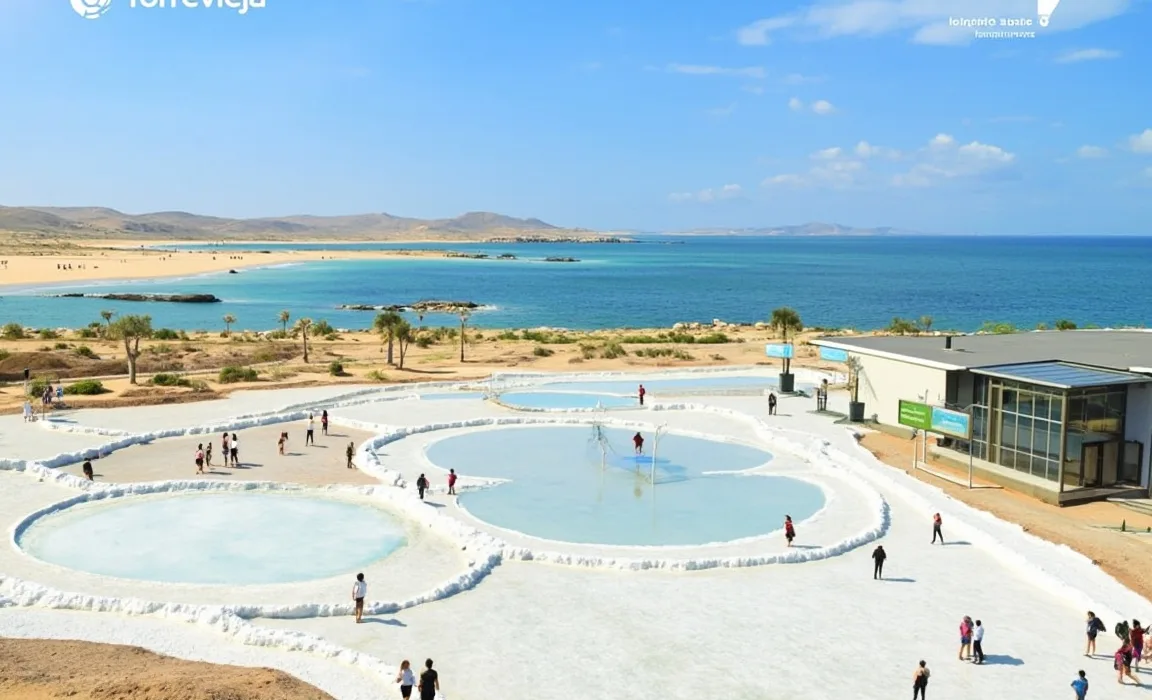
The Torrevieja Salt Interpretation Centre will be more than just a museum—it will serve as an immersive educational experience designed to showcase the complete salt production process from extraction to distribution. According to the tender documents, the facility will include multiple exhibition spaces covering the historical, cultural, and scientific aspects of salt production. Interactive displays will allow visitors to experience the evolution of salt harvesting techniques from traditional methods to modern industrial processes. The centre will be strategically positioned with views of the iconic Torrevieja salt lake museum area, creating a direct visual connection to the very lakes that have sustained the community for centuries.
Investment and Funding Details
The tender document reveals a total investment of €3.2 million for the project, with 60% coming from municipal funds and the remaining 40% from regional tourism development grants. This significant financial commitment underscores the importance local authorities place on preserving and promoting Torrevieja's salt heritage. The budget allocation includes €2.1 million for construction, €650,000 for exhibition design and implementation, and €450,000 for digital technologies and interactive elements. Compared to similar heritage centers across Spain, this investment represents a 15% higher per-square-meter allocation for exhibition technologies, indicating a commitment to creating a cutting-edge visitor experience.
Architectural Vision and Exhibition Spaces
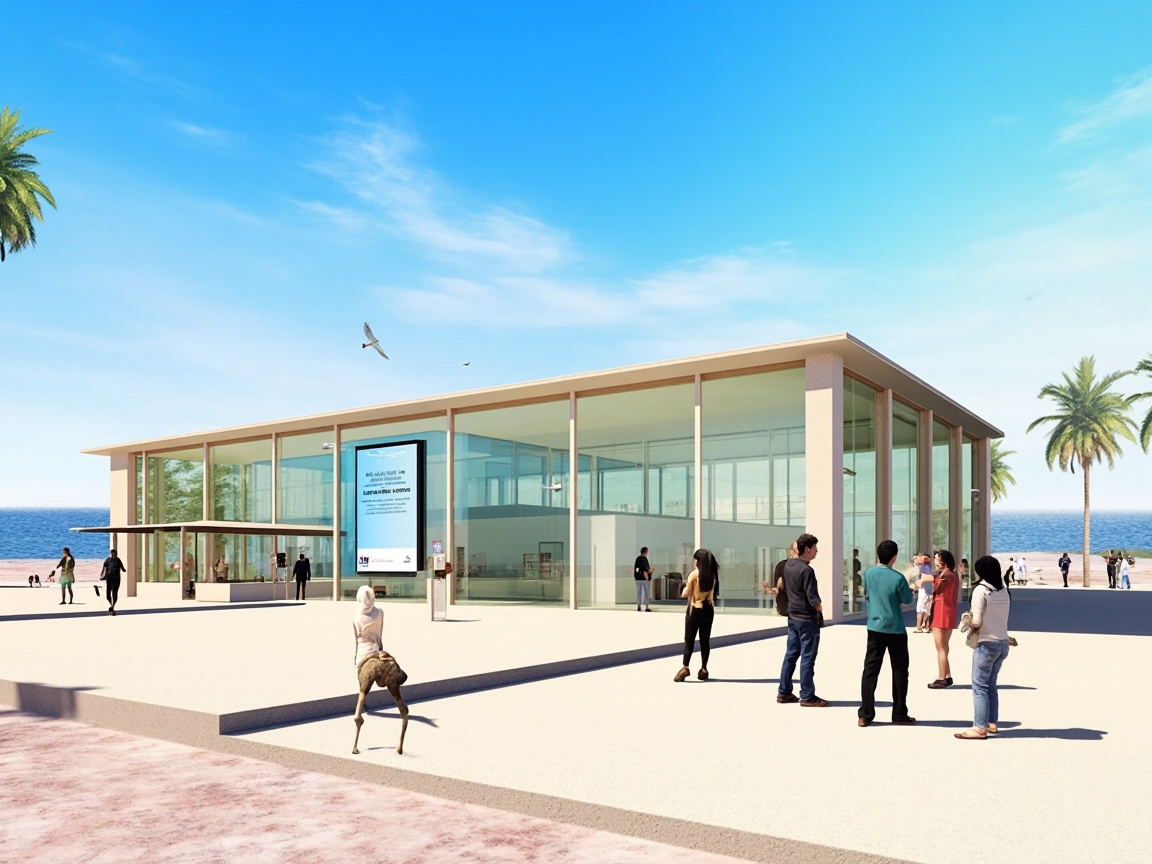
The architectural concept outlined in the tender calls for a building that complements the natural landscape while incorporating elements reminiscent of traditional salt warehouses. Specifications require sustainable materials and energy-efficient systems throughout the 1,500-square-meter facility. The exhibition space will be divided into five main areas:
- Historical Evolution: Chronicling Torrevieja's salt industry from Roman times to the present
- Salt Extraction Process: Featuring working models of traditional and modern harvesting techniques
- Biodiversity Zone: Highlighting the unique ecosystem supported by the salt lakes
- Cultural Impact: Exploring salt's influence on local traditions, gastronomy, and festivals
- Innovation Lab: Demonstrating modern applications of salt beyond culinary uses
Timeline for Completion
According to the tender documentation, the project timeline spans 24 months from contract award to grand opening. Key milestones include:
- Tender submission deadline: September 2023
- Contract award: November 2023
- Construction phase: January 2024 to October 2024
- Exhibition installation: November 2024 to March 2025
- Testing and staff training: April 2025
- Public opening: May 2025
This accelerated timeline reflects the municipality's desire to have the center operational before the summer 2025 tourist season, potentially increasing visitor numbers by an estimated 12%.
Economic Impact on Local Tourism
Economic analysis included in the tender documentation projects that the Salt Interpretation Centre will attract approximately 80,000 visitors annually once fully operational. This additional attraction is expected to increase average tourist stay duration by 0.7 days and boost off-season tourism by up to 15%. The facility will directly create 12 permanent jobs and indirectly support an estimated 35 positions in related services and tourism businesses. These projections position the Salt Interpretation Centre as a significant contributor to Torrevieja's year-round tourism strategy.
Environmental Considerations
The tender emphasizes sustainability requirements for all aspects of the project. Bidders must demonstrate how their proposals will minimize environmental impact through energy-efficient design, water conservation measures, and sustainable construction practices. Special attention must be given to ensuring the center's operations don't negatively impact the delicate salt lake ecosystem, with environmental monitoring systems included in the project specifications.
Connection to Existing Salt Industry Sites
A key component of the tender is the requirement to create physical and thematic connections between the new Interpretation Centre and existing salt-related heritage sites around Torrevieja. This includes improved signage, digital guides, and a unified ticketing system that will encourage visitors to explore multiple locations, creating a comprehensive salt heritage route throughout the municipality.
Community Response
Local business associations have responded positively to the tender announcement, with 78% of surveyed members expressing support for the project. Community consultations revealed particularly strong enthusiasm among long-time residents with family connections to the salt industry. Educational institutions have also shown interest in partnering with the future center for academic programs related to industrial heritage and sustainable tourism.
Conclusion: Preserving Salt Heritage for Future Generations
The Torrevieja Salt Interpretation Centre tender represents a significant commitment to preserving and showcasing an essential aspect of local heritage that shaped the region's development. By investing in this cultural infrastructure, Torrevieja aims to diversify its tourism appeal, educate visitors and residents about its industrial past, and create sustainable economic opportunities. As the tender process unfolds throughout 2023, it will be fascinating to see the creative approaches proposed by competing firms to bring this vision to life. The Salt Interpretation Centre promises to become not just a tourist attraction but a vital link connecting Torrevieja's salt-producing past with its tourism-focused future.
FAQs
1. When is the Torrevieja Salt Interpretation Centre expected to open?
According to the current timeline, the center is scheduled to open to the public in May 2025, just before the summer tourist season.
2. How much is being invested in the new Salt Interpretation Centre?
The total investment is €3.2 million, with 60% coming from municipal funds and 40% from regional tourism grants.
3. Will the Salt Interpretation Centre be accessible year-round?
Yes, one of the key objectives is to create an all-weather, year-round attraction to support tourism beyond the peak summer months.
4. How will the center connect to the existing salt lakes?
The center will offer panoramic views of the salt lakes and will be connected to other salt heritage sites through dedicated walking paths and a unified tourism route.
5. Will there be opportunities for local businesses in this project?
Yes, the tender includes provisions encouraging bidders to incorporate local suppliers and create employment opportunities for residents with knowledge of the salt industry.
6. How will the project impact the salt lake ecosystem?
Environmental protection measures are a mandatory component of all bids, with strict requirements for monitoring and minimizing any potential impact on the delicate salt lake ecosystem.