

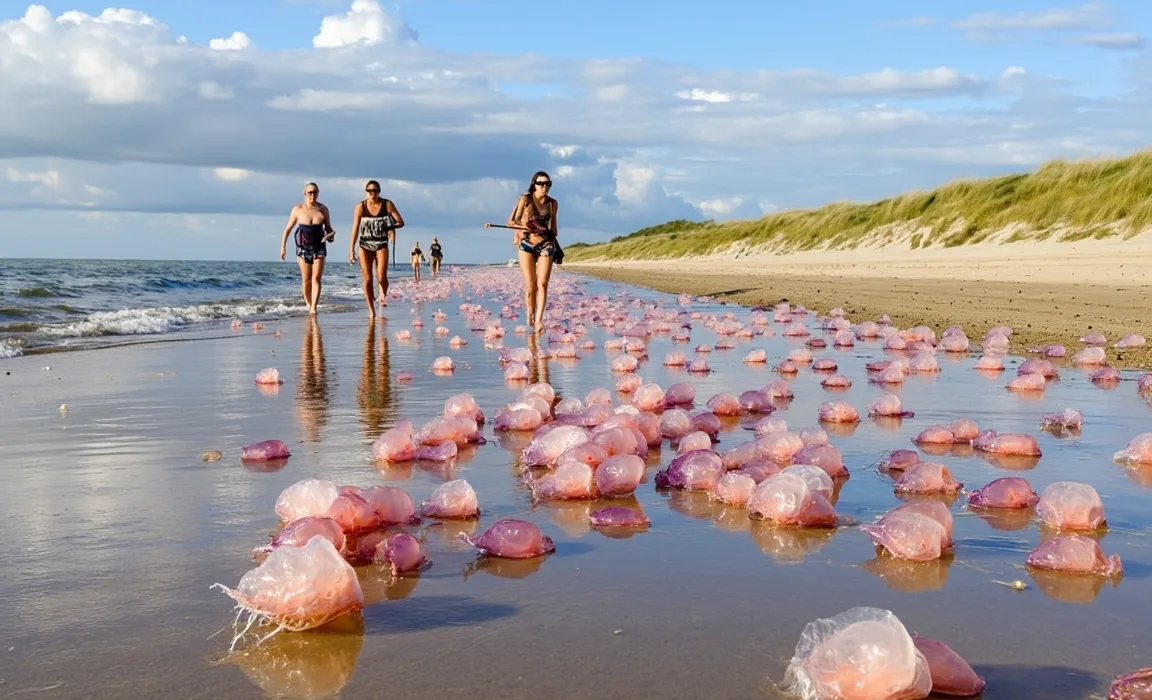
Table of Contents
- Dutch Beaches Under Siege: Dangerous Jellyfish Invasion Strikes the North Sea Coast
- The Alarming Rise of Jellyfish Along Dutch Shores
- Identifying Hazardous Species in Dutch Waters
- Most Affected Beach Locations
- Understanding the Invasion: Causes and Triggers
- Safety Precautions for Beachgoers
- Immediate Response to Jellyfish Stings
- Environmental Impact of the Jellyfish Bloom
- Authorities' Response and Monitoring Efforts
- Future Predictions: Will This Happen Again?
- Conclusion
- Frequently Asked Questions
Dutch Beaches Under Siege: Dangerous Jellyfish Invasion Strikes the North Sea Coast
Did you know that over 60% of Dutch coastal areas are currently experiencing unprecedented jellyfish populations, making this summer's invasion one of the most significant in the past three decades? The normally peaceful shores along the Netherlands' coast have transformed into hazardous zones as jellyfish invade Dutch beaches in alarming numbers. This sudden surge has prompted authorities to issue warnings and temporarily close some popular swimming locations.
The invasion presents a unique challenge for both locals and tourists planning to enjoy the North Sea coastline this season. With multiple reports of painful stings requiring medical attention, understanding this phenomenon has become essential for anyone planning to visit Dutch beaches.
The Alarming Rise of Jellyfish Along Dutch Shores
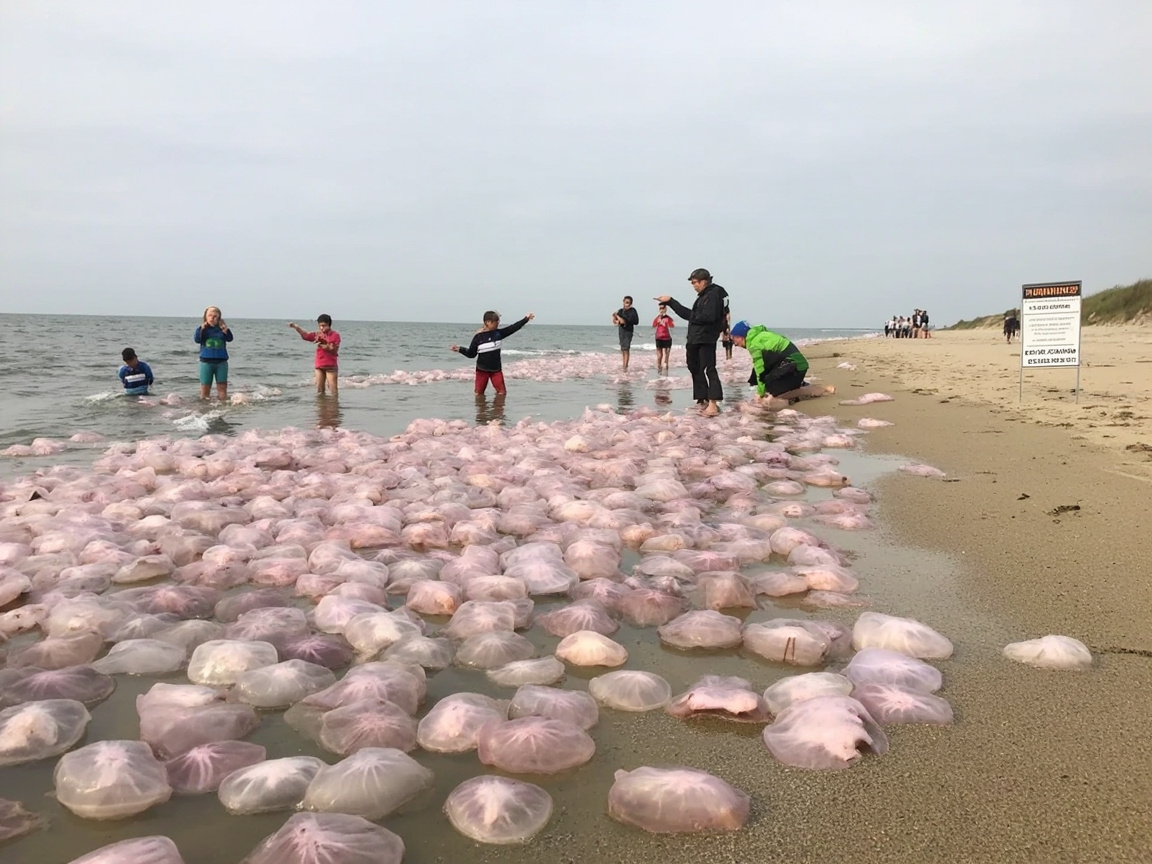
The current jellyfish crisis began in early summer when water temperatures rose 2.5°C above seasonal averages. Marine biologists have documented a 300% increase in jellyfish density compared to previous years, with concentrated blooms appearing from Zeeland to the Wadden Islands.
What makes this invasion particularly concerning is the presence of not just common moon jellyfish but also more dangerous species like compass jellyfish and the occasionally spotted Portuguese man-o-war, which isn't a true jellyfish but a siphonophore with potentially deadly stings.
Identifying Hazardous Species in Dutch Waters
Understanding which jellyfish pose the greatest threat can help beachgoers make informed decisions. Currently, Dutch waters contain:
- Moon Jellyfish: Recognizable by their four circular patterns visible through their bell. Generally mild sting.
- Compass Jellyfish: Features brown V-shaped markings resembling a compass. Delivers painful stings.
- Lion's Mane Jellyfish: Large with reddish-brown coloration. Produces severe stings requiring medical attention.
- Blue Jellyfish: Bright blue in color with mild to moderate stings.
- Sea Nettle: Orange-brown with long tentacles capable of painful stings.
Most Affected Beach Locations
The jellyfish invasion is not uniform across all Dutch beaches. The highest concentrations have been reported at:
- Scheveningen Beach (The Hague) – Up to 95 jellyfish per 100 square meters
- Zandvoort – Particularly along the northern stretches
- Texel and other Wadden Islands
- Domburg and surrounding Zeeland beaches
- Beaches near IJmuiden and the North Sea Canal entrance
Beach authorities have implemented a flag system at many locations, with purple flags indicating dangerous marine life presence.
Understanding the Invasion: Causes and Triggers
Marine biologists point to several factors driving this unprecedented jellyfish bloom:
- Rising sea temperatures due to climate change (2.3°C increase in the past decade)
- Reduced predator populations, particularly sea turtles and certain fish species
- Increased nutrient runoff from coastal developments creating ideal breeding conditions
- Overfishing of species that compete with jellyfish for food resources
- Ocean acidification altering marine ecosystems
Research from Wageningen Marine Research indicates that these contributing factors have created a "perfect storm" for jellyfish population explosions along the North Sea coastline.
Safety Precautions for Beachgoers
If you're planning to visit Dutch beaches during this jellyfish invasion, follow these essential safety measures:
- Check local beach advisories and warning flags before entering the water
- Wear protective swimwear like rash guards or wetsuits
- Consider swimming in monitored pools instead of open waters
- Use jellyfish repellent products if available
- Stay informed through the RijkswaterstaatStrandApp for real-time updates
- Avoid swimming after storms when jellyfish can be pushed toward shore
- Be particularly vigilant during morning and evening hours when jellyfish often rise closer to the surface
Immediate Response to Jellyfish Stings
Knowing proper jellyfish sting treatment Netherlands protocols can prevent complications:
- Rinse the affected area with seawater (not fresh water, which can activate remaining stinging cells)
- Remove any visible tentacles using tweezers or a bank card edge—never your bare fingers
- Apply vinegar to neutralize unfired stinging cells
- For pain relief, immerse the area in hot water (40-45°C) for 20-40 minutes
- Take over-the-counter pain relievers if necessary
- Seek medical attention immediately if experiencing severe reactions like difficulty breathing, chest pain, or extreme swelling
Environmental Impact of the Jellyfish Bloom
The current invasion extends beyond human safety concerns. Ecologically, these massive jellyfish blooms create cascading effects:
- Reduction in fish populations as jellyfish consume fish eggs and larvae
- Clogging of cooling water intakes at coastal power plants
- Damage to fishing nets and equipment
- Disruption of aquatic food webs
- Negative impacts on coastal tourism economies (estimated €15 million in losses this season)
Authorities' Response and Monitoring Efforts
Dutch authorities have implemented several measures to address the crisis:
- Daily drone surveillance of popular beaches to track jellyfish concentrations
- Deployment of specialized nets at select swimming areas
- Enhanced public education campaigns
- Increased medical response teams at major beach locations
- Coordination with marine researchers to improve prediction models
Future Predictions: Will This Happen Again?
Climate scientists and marine biologists project that jellyfish invasions will likely become more frequent and severe. Models suggest a 40% increase in jellyfish population density along Dutch coasts over the next decade if current warming trends continue.
Researchers are developing early warning systems using satellite imagery and ocean temperature monitoring to provide more advance notice of future invasions.
Conclusion
The current jellyfish invasion along Dutch beaches represents a significant challenge requiring awareness and preparation. By understanding the causes, identifying dangerous species, and knowing proper safety and treatment protocols, beachgoers can significantly reduce their risk while enjoying the coast.
As climate change continues to alter marine ecosystems, staying informed about jellyfish populations will become increasingly important for safe beach experiences. Check local advisories regularly and follow official guidance when planning your coastal visits in the Netherlands.
Frequently Asked Questions
How long is the jellyfish invasion expected to last?
Based on historical patterns and water temperature forecasts, marine biologists expect elevated jellyfish numbers through September, with populations gradually declining as waters cool in autumn.
Are all Dutch beaches affected equally?
No, northern beaches and those near harbor entrances are experiencing higher concentrations. Some protected or artificial beaches report significantly lower numbers.
Can jellyfish stings cause lasting damage?
Most jellyfish stings cause only temporary pain and irritation. However, certain species like the Portuguese man-o-war can cause scarring, and allergic reactions can be serious for sensitive individuals.
Should I cancel my beach vacation plans?
Rather than cancelling, consider adjusting your activities. Many beaches remain open with proper monitoring, and inland water recreation areas offer alternatives.
Are there any benefits to jellyfish blooms?
Ecologically, jellyfish serve as food sources for some marine species like sea turtles and sunfish. Some jellyfish are also being researched for medical applications and as sustainable food sources.