

Table of Contents
- Spanish Police Issue Urgent Summer Warning: Critical Safety Information for Tourists
- Understanding the Safety Alerts
- Key Risk Factors
- Official Guidance From Authorities
- Safety Precautions for Tourists
- Regional Safety Considerations
- Emergency Contact Information
- Insurance and Documentation
- Common Scams to Avoid
- Storing Important Documents
- Conclusion
- FAQs
Spanish Police Issue Urgent Summer Warning: Critical Safety Information for Tourists
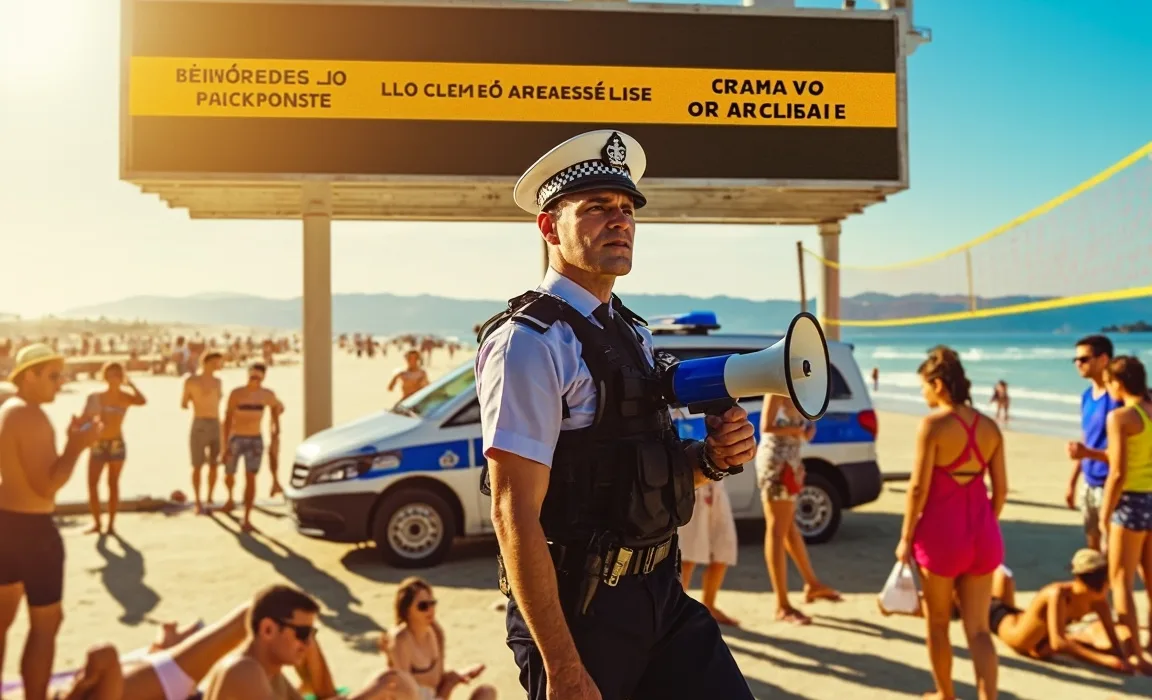
Did you know that over 18 million British tourists visit Spain annually, with summer months seeing a 300% increase in certain security incidents? This summer, Spanish Police summer warning has taken on a more urgent tone as authorities highlight increased risks facing international visitors. The unprecedented alert comes in response to changing security patterns and aims to protect the millions of tourists who flock to Spanish shores during peak season.
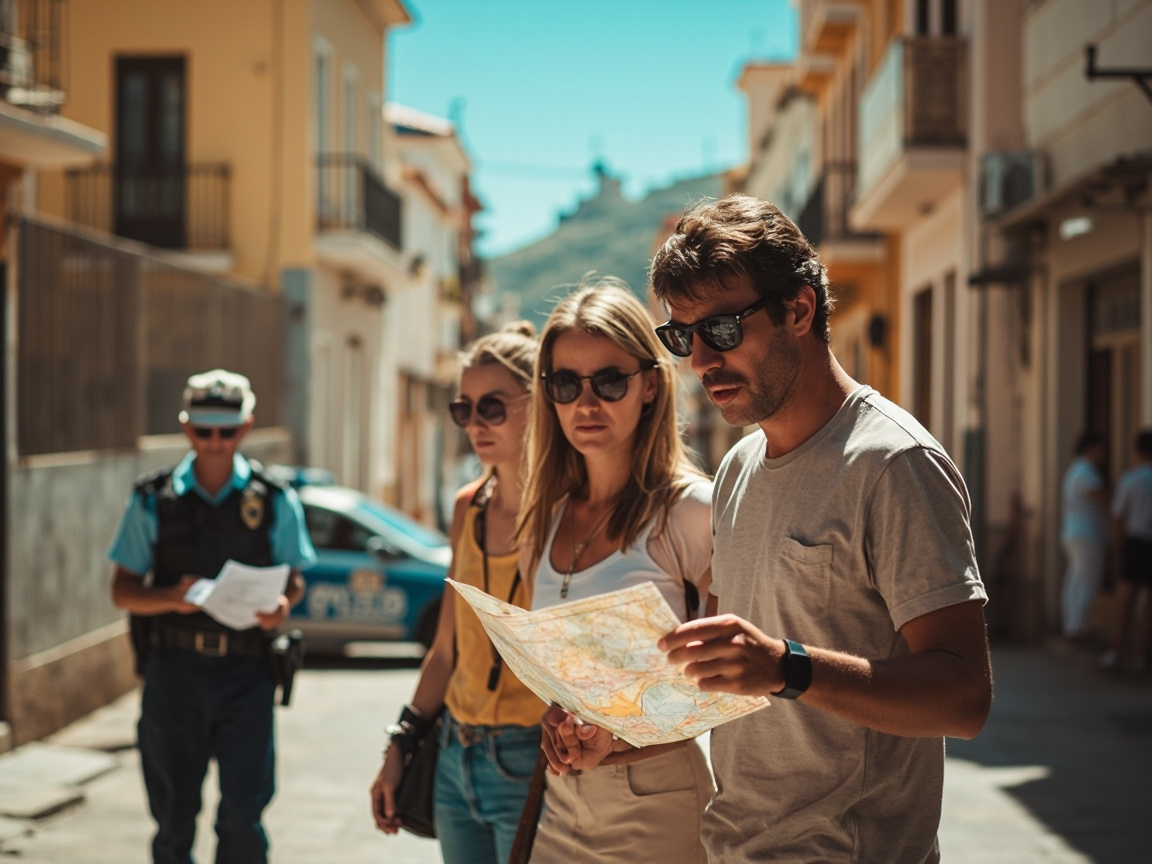
Spanish authorities have emphasized that awareness and preparation are critical for a safe holiday experience. With tourism reaching record-breaking numbers this year, understanding these warnings could be the difference between an unforgettable vacation and one marred by preventable incidents.
Understanding the Safety Alerts
The recent Spain travel safety alerts reflect a 23% increase in tourist-targeted crimes compared to pre-pandemic levels. These warnings cover everything from petty theft to more sophisticated criminal operations targeting tourists in popular destinations.
Spanish police have mobilized additional officers in key tourist areas, with 15% more personnel deployed in Barcelona, Madrid, and coastal resorts compared to last summer. This enhanced presence reflects the seriousness with which authorities are addressing potential security concerns.
The warnings specifically highlight:
- Street crime in crowded tourist locations
- Vehicle break-ins at popular viewpoints and beaches
- Drink spiking in nightlife areas
- Rental property scams
- Beach safety concerns, particularly around unguarded swimming areas
Key Risk Factors
According to official data, tourists are approximately 4 times more likely to experience theft than local residents. Several factors contribute to this heightened vulnerability:
Time of Day: 68% of reported incidents occur between 10 PM and 4 AM in popular nightlife areas.
Location Risks: Certain areas present significantly higher risks, with La Rambla in Barcelona and Sol in Madrid experiencing incident rates 5 times higher than surrounding areas.
Distraction Techniques: Police report that 71% of pickpocketing incidents involve sophisticated distraction tactics specifically designed to target tourists.
Digital Vulnerabilities: There's been a 47% increase in scams involving fraudulent QR codes and compromised WiFi networks in tourist areas.
Official Guidance From Authorities
Spanish police recommendations include:
- Increased Vigilance: Maintaining awareness, particularly in crowded areas and on public transportation
- Secure Valuables: Using hotel safes and minimizing visible valuables when in public
- Digital Protection: Avoid connecting to unsecured WiFi networks and verify QR codes before scanning
- Beach Safety: Never leave belongings unattended on beaches and observe all warning flags
Safety Precautions for Tourists
Police statistics show that tourists who take specific precautions reduce their risk by up to 80%. These essential steps include:
Documentation Security: Keep digital copies of all important documents, including passports and travel insurance.
Valuables Management: Use money belts and distribute valuables across different pockets or bags.
Local Emergency Numbers: Save the European emergency number (112) and Spanish police number (091) in your phone.
Drink Awareness: Never leave drinks unattended, as incidents of drink spiking have increased by 32% in coastal resort areas.
Regional Safety Considerations
Safety concerns vary significantly by region:
Barcelona: Focus on Metro lines 1, 3, and 5, which account for 62% of reported tourist thefts.
Balearic Islands: Ibiza and Mallorca have seen a 28% rise in rental property scams targeting tourists.
Costa del Sol: Be particularly cautious at beach parking areas, where vehicle break-ins are 3 times higher than the national average.
Madrid: The central areas around Gran Vía and Puerta del Sol require extra vigilance, especially during evening hours.
Emergency Contact Information
Beyond the standard emergency numbers, Spanish authorities recommend:
- Tourist Police (English-speaking): Available in major cities
- Consular emergency contacts for your nationality
- Local hospital information for your specific destination
Police advise storing these numbers both in your phone and on a physical card kept separate from your devices.
Insurance and Documentation
According to police data, 43% of tourists experiencing incidents did not have adequate travel insurance. Authorities strongly recommend:
- Comprehensive travel insurance that covers theft and medical emergencies
- Documentation of valuable items (photographs and receipts)
- Registering with your country's embassy or consulate in Spain
Common Scams to Avoid
Spanish police have identified several growing scam techniques, including:
Fake Police Officers: Reports of individuals posing as plain-clothes police and demanding to see wallets have increased by 41% in Barcelona's Gothic Quarter.
Rental Car Targeting: Tourists in rental vehicles face a 37% higher risk of break-ins, particularly those with visible luggage.
Restaurant Overcharging: Always verify bills, as tourist-area establishments have been caught adding fictional charges.
Apartment Rental Scams: Always book through reputable platforms, as fake rental listings have doubled in the past year.
Storing Important Documents
Police recommend:
- Using hotel safes for passports and excess cash
- Carrying only necessary cards and minimal cash when out
- Creating a secure digital backup of all important documents
- Considering RFID-blocking wallets to prevent digital theft
Conclusion
The Spanish Police summer warning should not deter you from enjoying Spain's extraordinary culture, cuisine, and coastlines. Rather, these alerts provide crucial information to help ensure your Spanish vacation remains memorable for all the right reasons. By understanding potential risks and taking simple precautions, tourists can significantly reduce their vulnerability.
Spanish authorities emphasize that their increased vigilance and these warnings are preventative measures designed to maintain Spain's reputation as one of the world's most welcoming tourist destinations. By staying informed through official Spain travel safety alerts and following basic security practices, you can enjoy all that Spain has to offer with peace of mind.
FAQs
How can I verify if someone is actually a Spanish police officer?
Legitimate Spanish police will always present official identification. You can request to see this ID and can call 112 to verify if you're uncertain. Never hand over documents or money to anyone claiming to be an officer without proper verification.
What should I do if I become a victim of crime while visiting Spain?
Report the incident immediately to the nearest police station and request a copy of the report for insurance purposes. Contact your country's consulate if you need assistance with lost passports or other official documents.
Are there areas in Spain that tourists should completely avoid?
While there are no completely "no-go" zones, exercise increased caution in isolated areas after dark and in certain neighborhoods away from main tourist districts. Hotel staff can provide current local advice.
How common is drink spiking in Spanish resorts?
While still relatively rare, incidents have increased by 32% in popular resort areas. Never accept drinks from strangers and keep your beverage in sight at all times.
Do I need to carry my passport with me at all times in Spain?
Spanish law requires identification, but a photocopy of your passport is often sufficient for day-to-day activities. Keep your original secure in your hotel safe.