
Table of Contents
- Mallorca Solar Panel Restrictions Spark Major Environmental Backlash | Latest Updates
- Introduction: The Sun-Drenched Paradox
- Current Restrictive Measures in Place
- Timeline of the Controversy
- Key Stakeholders' Positions
- Environmental Impact Assessment
- Economic Implications for Local Communities
- Tourism Industry Concerns
- Alternative Solutions Proposed
- Global Comparison of Solar Policies
- Conclusion
- FAQs
Mallorca Solar Panel Restrictions Spark Major Environmental Backlash | Latest Updates
Introduction: The Sun-Drenched Paradox
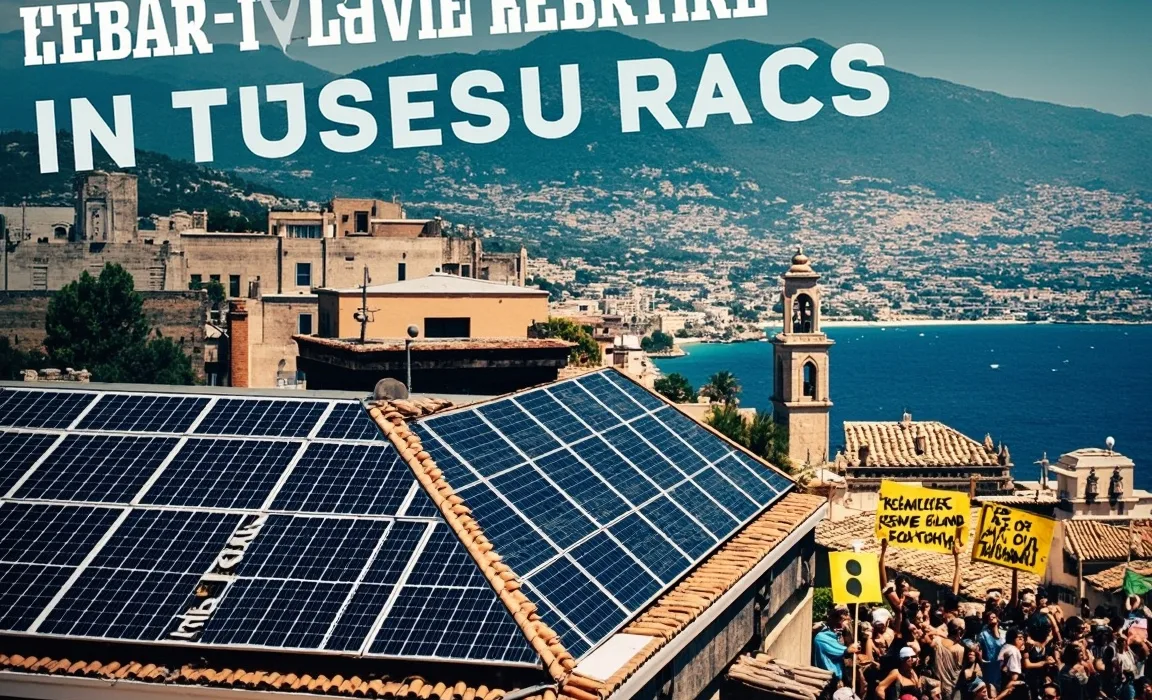
Did you know that Mallorca receives over 300 days of sunshine annually, yet new regulations are severely limiting residents' ability to harness this abundant renewable resource? In a stunning contradiction, the Mallorca solar restrictions backlash has ignited fierce debate across the Balearic Islands as environmentalists, residents, and tourism stakeholders unite in opposition. Recent data shows that despite Spain's national commitment to achieving 74% renewable electricity by 2030, Mallorca's new solar panel regulations could reduce potential solar capacity by up to 60% in affected areas, creating what many are calling an unsustainable paradox in one of Europe's sunniest regions.
The controversy stems from restrictive zoning laws that limit solar installations in historical areas and impose stringent aesthetic requirements across much of the island, sparking widespread protests and formal appeals from environmental organizations.
Current Restrictive Measures in Place
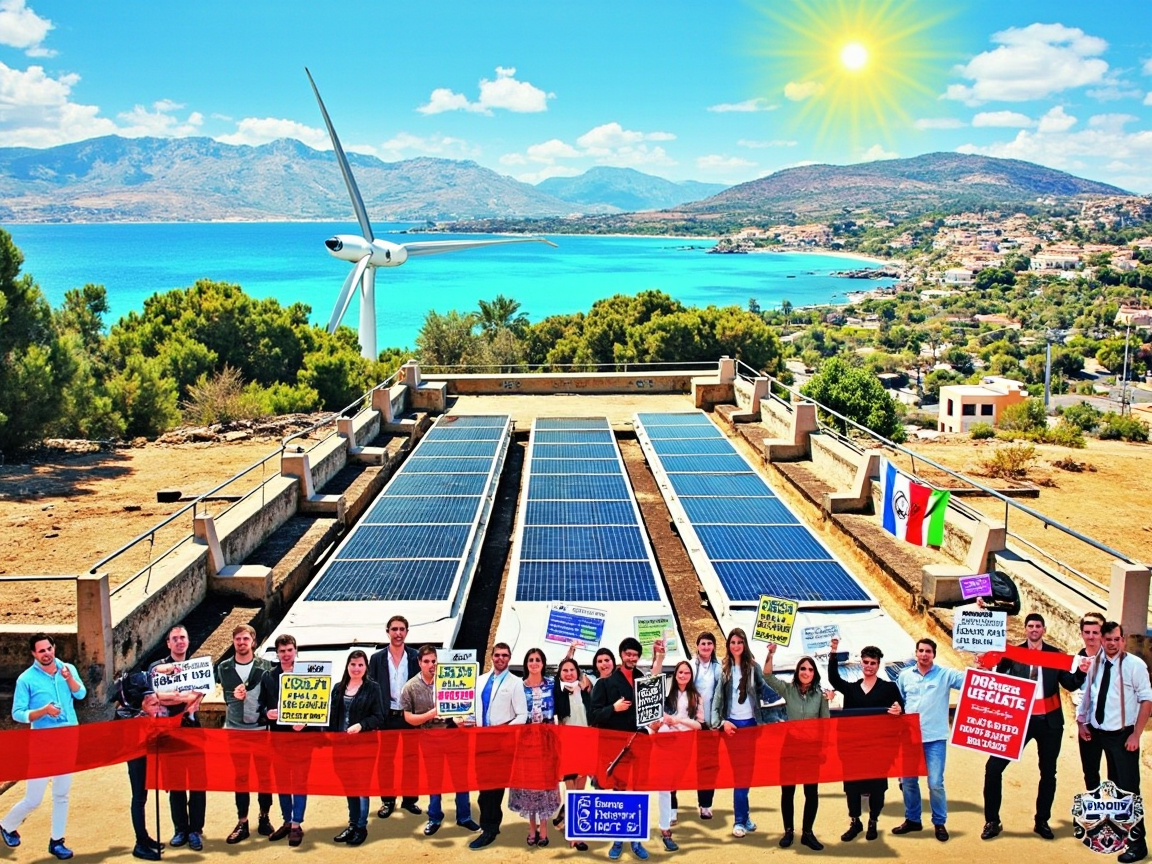
The current solar restrictions in Mallorca include:
- Ban on roof-mounted installations visible from public roads in historic districts
- Requirement for panels to match roof coloration (increasing costs by 30-40%)
- Mandatory setbacks of 15 meters from property boundaries
- Complex permitting process taking 6-9 months (compared to EU average of 2-3 months)
- Prohibition of ground-mounted arrays in agricultural zones
These measures, implemented under the Balearic Islands renewable energy policy, have effectively created significant barriers to solar adoption despite the island's ideal climate conditions.
Timeline of the Controversy
Initial Regulations Introduced
The restrictions began in January 2023 when local authorities implemented new zoning ordinances ostensibly to protect Mallorca's historic architecture and landscape aesthetics. Documents show these regulations were passed with minimal public consultation, creating immediate friction with environmental groups.
Public Response Phase
By March 2023, public discontent had grown substantially, with a petition opposing the measures gathering over 25,000 signatures in just six weeks. Local environmental groups organized a series of demonstrations in Palma, drawing attendance from diverse stakeholders including homeowners, clean energy businesses, and tourism representatives.
Industry Mobilization
The renewable energy sector responded by June 2023, with a coalition of 17 solar companies filing a formal legal challenge, citing the regulations as contradictory to Spain's national climate objectives and EU renewable energy directives.
Key Stakeholders' Positions
The controversy has polarized the island between preservation and progress:
- Government Officials: Maintain restrictions are necessary to preserve Mallorca's heritage and landscape aesthetics
- Environmental Organizations: Argue the measures directly contradict climate goals and lack scientific justification
- Tourism Industry: Increasingly concerned about negative impacts on sustainable tourism branding
- Residents: 68% oppose the restrictions according to recent polling by Mallorca Daily
- Renewable Energy Sector: Reports a 47% decline in new installation inquiries since regulations began
Environmental Impact Assessment
Independent analysis from the University of Balearic Islands suggests these restrictions could prevent Mallorca from reducing carbon emissions by approximately 182,000 tons annually. This represents a significant setback for climate mitigation efforts, particularly as island ecosystems are uniquely vulnerable to climate change impacts.
The Mallorca solar restrictions backlash intensified after data revealed the island currently imports 75% of its energy needs via submarine cables from mainland Spain, much of it from non-renewable sources.
Economic Implications for Local Communities
The financial impact extends beyond environmental concerns:
- Average household energy savings of €800-1,200 annually now inaccessible to many residents
- Local solar industry reports 120+ jobs lost in the first six months of restrictions
- Property values showing divergence with solar-capable homes commanding 4-7% premiums
- Energy poverty concerns growing with 11% of island residents struggling with rising electricity costs
Tourism Industry Concerns
Tourism, Mallorca's economic lifeblood, has unexpectedly become a vocal opponent of the restrictions. Industry representatives cite:
- Growing demand for sustainable accommodations (61% of visitors prefer eco-friendly options)
- Competitive disadvantage compared to other Mediterranean destinations with progressive solar policies
- Contradiction with marketing campaigns promoting Mallorca as an environmentally conscious destination
- Potential reputational damage as negative press coverage increases
Alternative Solutions Proposed
Critics aren't simply opposing the measures—they're offering balanced alternatives:
- Targeted exemptions for non-visible installations that maintain architectural integrity
- Subsidized colored solar panels in sensitive heritage zones
- Streamlined permitting for small residential systems
- Community solar gardens in approved zones to serve restricted properties
- Phased implementation allowing for technology advances in panel aesthetics
Global Comparison of Solar Policies
The controversy appears particularly pronounced when compared internationally:
- Neighboring islands like Menorca have implemented progressive solar incentives
- Portugal's Algarve region permits solar in 92% of territories while maintaining historic preservation
- Greek islands have adopted heritage-compatible solar solutions with significant success
- The Balearic Islands renewable energy policy now ranks among Europe's most restrictive despite high solar potential
Conclusion
The Mallorca solar restrictions backlash represents a critical juncture between preservation and progress that will likely shape the island's environmental future. As pressure mounts from multiple stakeholders, authorities face increasing calls to revise these controversial regulations to balance aesthetic concerns with urgent climate action.
What seems clear is that this debate transcends simple policy disagreement—it reflects fundamental questions about how communities adapt to climate challenges while preserving cultural identity. With formal EU review of the regulations now underway and local elections approaching, the coming months will prove decisive for Mallorca's renewable energy landscape.
We encourage readers to stay informed about these developing regulations and consider how similar policies might affect renewable energy adoption in their own communities.
FAQs
Why did Mallorca implement these solar restrictions in the first place?
The restrictions were implemented primarily to preserve the island's historic architecture and rural landscape aesthetics, though critics argue the measures were excessive and inadequately balanced with environmental priorities.
How much do the restrictions actually reduce potential solar capacity on the island?
Studies indicate affected areas could see up to 60% reduction in potential solar capacity, significantly impacting Mallorca's ability to meet renewable energy targets.
Are similar restrictions common in other Mediterranean tourist destinations?
No, most comparable destinations have implemented more balanced approaches that preserve heritage while still enabling substantial solar adoption, making Mallorca's restrictions unusually stringent.
What alternatives exist for residents in restricted zones?
Options include community solar projects, building-integrated photovoltaics that match architectural aesthetics, and ground-mounted systems in permitted areas, though all face increased costs or complexity.
Could these restrictions affect Mallorca's tourism industry?
Evidence suggests growing concern, as 61% of visitors express preference for sustainable accommodations, and competing destinations are increasingly marketing their environmental credentials.