

Table of Contents
- Iran's Dual Strategy: Peace Talks While Threatening Nuclear Treaty Withdrawal
- Iran's Current Diplomatic Stance: Understanding the Contradictions
- The Nuclear Non-Proliferation Treaty: What's at Stake
- Timeline of Recent Developments
- Key Players in the Negotiations
- Potential Consequences of Treaty Withdrawal
- International Response to Iran's Position
- Analysis: Is This a Negotiation Tactic?
- Economic Implications for Iran and Global Markets
- Historical Context: Previous Nuclear Negotiations
- Conclusion
- FAQs
Iran's Dual Strategy: Peace Talks While Threatening Nuclear Treaty Withdrawal
Is Iran genuinely seeking diplomatic resolution while simultaneously preparing for nuclear escalation? This question has become increasingly pressing as Iran signals readiness for diplomatic negotiations while simultaneously warning it may withdraw from the Nuclear Non-Proliferation Treaty. The international community finds itself at a critical juncture, attempting to decipher Iran's true intentions amid these seemingly contradictory signals. Recent diplomatic channels have reopened while Iranian officials have made concerning statements about potentially abandoning key nuclear commitments, creating a complex geopolitical puzzle that demands careful analysis.
Iran's strategic approach combines olive branches and veiled threats, raising significant concerns about regional stability and global security. This delicate balancing act requires understanding both the diplomatic overtures and the implications of potential treaty withdrawal.
Iran's Current Diplomatic Stance: Understanding the Contradictions
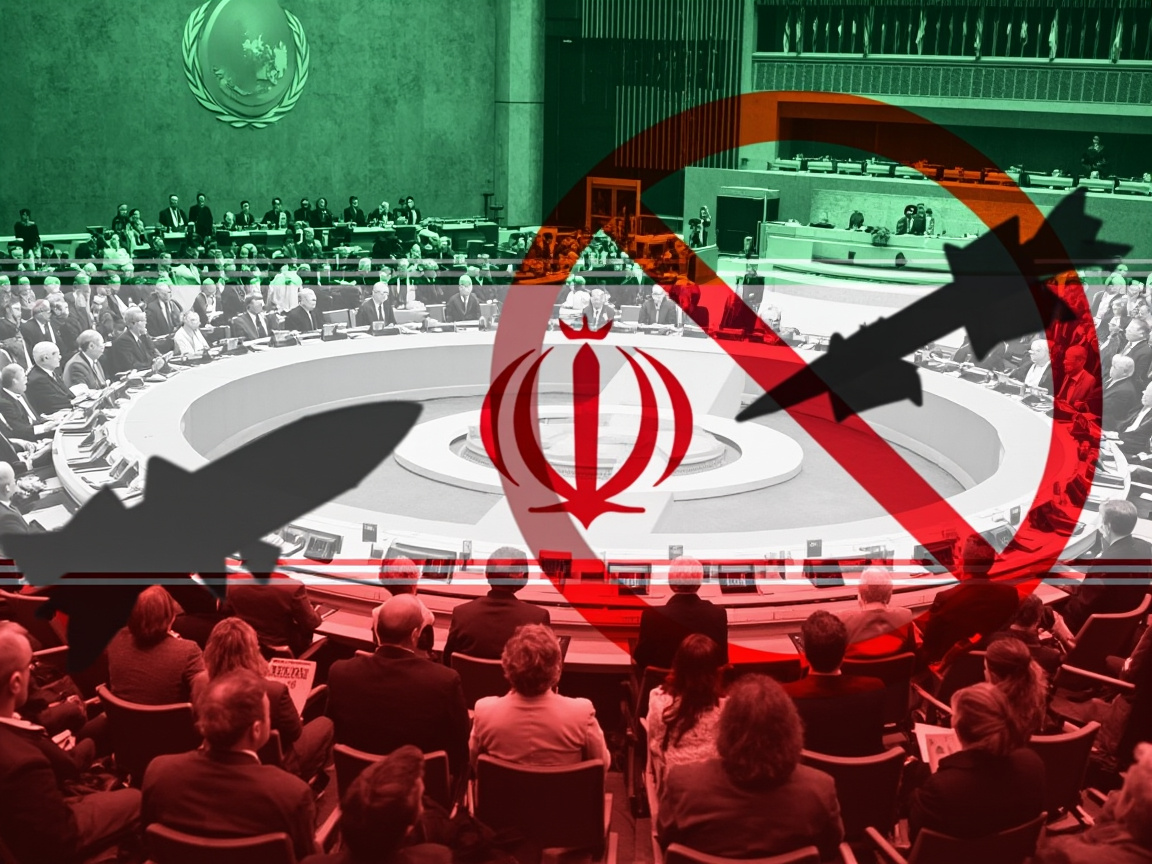
Iran's recent diplomatic maneuvers reveal a sophisticated strategy of engagement coupled with pressure tactics. On one hand, Iranian officials have expressed willingness to engage in direct talks with Western powers, particularly regarding sanctions relief and nuclear program limitations. On the other hand, statements from Iran's atomic energy organization have indicated that withdrawal from the Non-Proliferation Treaty remains a viable option should diplomatic efforts fail.
This apparent contradiction serves multiple purposes within Iran's strategic framework. It provides leverage in negotiations while also addressing domestic pressures from hardliners who demand a more assertive stance. According to diplomatic analysts, this dual approach allows Iran to maintain flexibility while signaling resolve to the international community.
The Nuclear Non-Proliferation Treaty: What's at Stake
The Nuclear Non-Proliferation Treaty (NPT) represents one of the cornerstones of global nuclear security architecture. Signed in 1968 and enforced since 1970, the treaty aims to prevent the spread of nuclear weapons while promoting peaceful uses of nuclear energy. As one of its 191 signatories, Iran's potential withdrawal would represent a significant blow to the international non-proliferation regime.
The three key pillars of the NPT include:
- Non-proliferation of nuclear weapons
- Disarmament for nuclear-armed states
- Peaceful use of nuclear energy
Iran's threatened withdrawal would primarily impact the first pillar, potentially opening the door to unrestricted uranium enrichment and other activities that could accelerate nuclear weapons development capabilities.
Timeline of Recent Developments
Understanding the current situation requires examining the chronological progression of events that have led to this diplomatic impasse:
- January 2023: Iran announced increased uranium enrichment levels approaching weapons-grade purity
- March 2023: Initial signals of willingness to return to negotiation table with preconditions
- May 2023: First explicit threats to withdraw from NPT if diplomatic channels remain closed
- July 2023: Indirect talks mediated by Qatar and Oman showed modest progress
- August 2023: IAEA reported further limitations on inspector access to key facilities
- September 2023: Dual announcement of peace talk readiness alongside renewed NPT withdrawal threats
This timeline demonstrates the oscillating nature of Iran's approach, alternating between conciliatory gestures and escalatory threats that have kept the international community in a state of perpetual uncertainty.
Key Players in the Negotiations
Several critical stakeholders are involved in the ongoing Iran nuclear deal negotiations, each with distinct interests and approaches:
- United States: Primary focus on preventing nuclear weapons capability and addressing regional security concerns
- European Union: Emphasizing diplomatic solutions while maintaining economic interests
- Russia and China: Generally more accommodating to Iran's position while pursuing strategic partnerships
- Israel: Strong opposition to any deal that doesn't completely eliminate Iran's nuclear capabilities
- Gulf States: Concerned about regional power balance and seeking security guarantees
The dynamics between these players significantly influence negotiation pathways and potential outcomes, with shifting alliances frequently altering the diplomatic landscape.
Potential Consequences of Treaty Withdrawal
Should Iran follow through on its threat to withdraw from the NPT, several significant consequences would likely follow:
- Immediate diplomatic isolation: Even countries currently sympathetic to Iran would find it difficult to maintain normal relations
- Enhanced sanctions regime: New, more severe economic restrictions would likely be imposed
- Increased military tensions: Risk of preemptive strikes or other military responses would rise substantially
- Regional nuclear proliferation: Other Middle Eastern countries might pursue their own nuclear programs
- Oil market volatility: Energy prices could spike amid uncertainty about regional stability
These consequences underscore the high-stakes nature of the current diplomatic standoff and explain why the international community remains deeply engaged despite frustrating negotiation cycles.
International Response to Iran's Position
The international community has responded to Iran's dual-track approach with a mixture of concern, cautious engagement, and preparations for possible escalation. Western powers have generally maintained openness to diplomatic solutions while simultaneously preparing contingency plans for potential treaty withdrawal.
Regional actors like Saudi Arabia and Turkey have intensified their own security preparations while publicly supporting diplomatic efforts. International organizations, particularly the IAEA, have increased monitoring efforts while working to maintain communication channels with Iranian authorities.
Analysis: Is This a Negotiation Tactic?
Many diplomatic and security analysts view Iran's threat to withdraw from the NPT primarily as a negotiation tactic rather than an immediate intention. Historical precedent suggests that Iran has frequently used threshold-crossing threats to gain leverage without necessarily implementing them.
However, domestic political dynamics within Iran, particularly the influence of hardline factions, create uncertainty about how far this brinkmanship might go. Economic pressures and internal political calculations could potentially push decision-makers toward more extreme positions than in previous negotiation cycles.
Economic Implications for Iran and Global Markets
Iran's economy has suffered significantly under international sanctions, with GDP contraction of approximately 6% annually during periods of maximum pressure. Oil exports, previously accounting for 80% of Iran's export revenues, have fallen to historic lows.
The dual strategy of peace talks and NPT withdrawal threats appears partially motivated by economic necessity. A successful diplomatic resolution could potentially release hundreds of billions in frozen assets and restore oil export capabilities, providing crucial economic relief.
Global markets, particularly energy and precious metals, have shown increased volatility in response to each escalation in rhetoric, demonstrating the interconnected nature of geopolitical developments and economic stability.
Historical Context: Previous Nuclear Negotiations
Understanding the current situation requires examining the historical context of previous nuclear negotiations, particularly the 2015 Joint Comprehensive Plan of Action (JCPOA). This agreement demonstrated that diplomatic solutions are possible, even after periods of heightened tension.
The JCPOA's subsequent collapse following US withdrawal in 2018 has created significant trust deficits on all sides. Iranian officials frequently cite this experience as justification for their current approach, arguing that guarantees beyond simple agreements are necessary for any sustainable resolution.
Conclusion
Iran's simultaneous pursuit of peace talks while threatening NPT withdrawal represents a complex diplomatic challenge with significant implications for global security. The international community faces the difficult task of encouraging constructive engagement while setting clear boundaries regarding nuclear proliferation.
The coming months will likely prove decisive in determining whether this dual-track approach leads to meaningful diplomatic progress or further escalation. What remains clear is that the stakes—for regional stability, global non-proliferation efforts, and economic security—could hardly be higher.
FAQs
Q: Would Iran actually withdraw from the Non-Proliferation Treaty?
A: While experts consider it primarily a negotiation tactic, domestic political factors and economic pressures make it impossible to rule out. Most analysts believe Iran would exhaust other escalatory measures before taking this dramatic step.
Q: How close is Iran to developing nuclear weapons capability?
A: Current estimates suggest Iran could produce enough fissile material for a nuclear device within 3-6 months if it chose to do so. However, weaponization would require additional technical steps beyond material production.
Q: What would happen to oil prices if tensions escalate further?
A: Energy analysts project potential price increases of 15-30% in global oil markets should Iran withdraw from the NPT, with even higher spikes possible if military confrontation follows.
Q: Are current diplomatic efforts likely to succeed?
A: Progress remains challenging given deep trust deficits and competing domestic pressures in both Iran and Western nations. Most experts see the likelihood of a comprehensive agreement in the near term as low but believe intermediate confidence-building measures remain possible.
Q: How does this situation affect regional security beyond Iran?
A: The standoff has accelerated defense cooperation among Gulf states, increased discussions about civilian nuclear programs in several Middle Eastern countries, and complicated broader regional security initiatives like potential normalization between Saudi Arabia and Israel.