
Table of Contents
- The Silent Threat: How Bluetooth Hackers in Spain Target Your Bank Accounts
- Understanding the Bluetooth Banking Scam
- How the Attack Happens
- Who Is Most Vulnerable
- Warning Signs to Watch For
- Essential Protection Measures
- What to Do If You're Victimized
- Legal Recourse for Victims
- Technological Solutions Available
- The Future of Bluetooth Security
- Conclusion
- Frequently Asked Questions
The Silent Threat: How Bluetooth Hackers in Spain Target Your Bank Accounts
Did you know that over €27 million was stolen through wireless banking fraud in Spain last year alone? As tourists flock to enjoy Spain's beaches and cultural attractions, many remain completely unaware of the invisible danger lurking in crowded plazas and busy cafés. Bluetooth hackers Spain scam operations have become increasingly sophisticated, with criminals now able to drain bank accounts in seconds without physically touching your devices or cards.
This alarming trend has grown by 34% in the past two years, with thousands of tourists and locals falling victim to these silent attacks. Understanding this threat is essential for anyone living in or visiting Spain, as the typical victim loses an average of €2,300 before realizing they've been targeted.
Understanding the Bluetooth Banking Scam
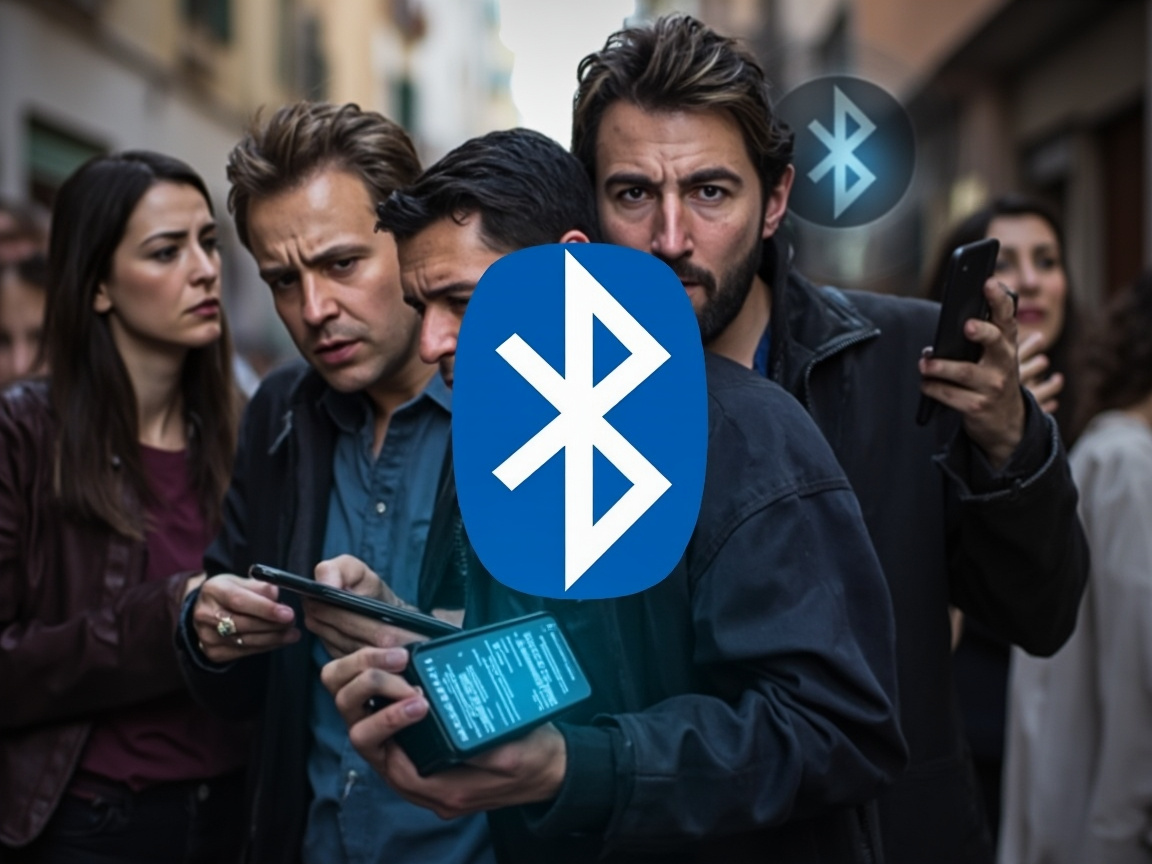
The Bluetooth banking scam represents a new frontier in financial crime, combining wireless technology with sophisticated software to intercept banking data. Unlike traditional skimming devices that require physical installation on ATMs, these attacks happen completely wirelessly.
Hackers utilize specialized Bluetooth-enabled devices that can capture data being transmitted between your smartphone and other devices. The most concerning aspect? This equipment is relatively inexpensive and increasingly available on dark web marketplaces, with complete "skimming kits" selling for as little as €300.
Spain has become a prime target due to its high concentration of tourists who typically carry multiple payment cards and may be less vigilant when enjoying their vacation.
How the Attack Happens
Step 1: Target Selection
Criminals typically operate in high-tourist areas like Barcelona's Las Ramblas, Madrid's Plaza Mayor, or coastal resorts in Málaga and Valencia. They select targets who appear distracted or are openly using banking apps in public.
Step 2: Signal Interception
Using concealed devices, hackers activate Bluetooth scanners that detect and connect to nearby phones. Most victims never notice this connection, as the attack occurs silently in the background without triggering any obvious warnings.
Step 3: Data Capture
Once connected, the hackers can potentially intercept data packets being sent between your phone and banking servers. They specifically look for login credentials, one-time passwords sent via SMS, and transaction details.
Step 4: Funds Transfer
Within minutes, the criminals can use the captured information to access your accounts and initiate transfers to untraceable accounts, often converting funds immediately to cryptocurrency to avoid detection.
Who Is Most Vulnerable
Research by Spain's Cybersecurity Institute shows that certain groups face higher risk:
- Tourists using public Wi-Fi (78% higher risk)
- Visitors unfamiliar with local banking protocols
- Anyone using older smartphones with outdated Bluetooth security
- People who frequently use banking apps in public spaces
The data shows that English-speaking tourists are particularly targeted due to language barriers when reporting incidents.
Warning Signs to Watch For
Be vigilant for these potential indicators of a Bluetooth attack:
- Unexpected Bluetooth connection requests
- Unusual battery drain (attack devices constantly pinging your phone)
- Banking apps running slowly or crashing unexpectedly
- Receiving SMS codes you didn't request
- Small "test" transactions appearing on your accounts
Early detection can prevent major losses, as criminals typically start with small transfers to verify their access before attempting larger ones.
Essential Protection Measures
To prevent Bluetooth financial theft, implement these critical security measures:
- Disable Bluetooth when not actively using it, especially in crowded areas
- Install banking apps only from official sources and keep them updated
- Enable two-factor authentication that doesn't rely solely on SMS
- Consider using a Bluetooth privacy protector app that alerts you to suspicious connection attempts
- Use a VPN when conducting financial transactions
- Enable transaction notifications for immediate alerts
- Consider a RFID-blocking wallet for physical payment cards
Banking security experts recommend creating a separate "travel" account with limited funds when visiting high-risk areas, rather than accessing your main accounts.
What to Do If You're Victimized
If you suspect you've been targeted:
- Contact your bank's fraud department immediately
- File a police report with local authorities (in Spain, visit the nearest Policía Nacional station)
- Document all unauthorized transactions
- Change all passwords from a secure device
- Consider freezing your credit reports
Spanish banks typically have a 24-hour window for reporting suspicious transactions to qualify for full reimbursement.
Legal Recourse for Victims
Under Spanish banking regulations and EU consumer protection laws, victims of proven electronic fraud are generally entitled to reimbursement if they report incidents promptly. However, banks may resist if they can demonstrate customer negligence.
The National Police's Technological Crime Unit has established a specialized division to address these crimes, with regional offices in major tourist destinations.
Technological Solutions Available
The cybersecurity market has responded with several promising solutions:
- Bluetooth security monitors that detect unusual connection attempts
- Banking biometric verification that doesn't rely on interceptable codes
- Specialized travel banking cards with limited balances
- Apps that create secure, isolated environments for financial transactions
These tools add layers of protection that can significantly reduce your vulnerability to Bluetooth attacks.
The Future of Bluetooth Security
As criminals evolve their techniques, so too must security measures. The newest Bluetooth protocols include enhanced encryption and connection verification, though experts caution that no system is completely impenetrable.
Spanish authorities are working with banking institutions to implement stronger region-specific protections, including geofencing suspicious transactions and developing AI systems to detect unusual banking patterns.
Conclusion
The Bluetooth banking scam represents a significant threat to financial security in Spain, particularly for visitors unfamiliar with this sophisticated attack. By understanding how these criminals operate and implementing strong preventive measures, you can substantially reduce your risk of becoming a victim.
Remember that vigilance is your best defense—disable Bluetooth when not needed, conduct banking in secure environments, and regularly monitor your accounts for unusual activity. With proper precautions, you can enjoy Spain's beautiful attractions without falling prey to this growing cybercrime trend.
Frequently Asked Questions
How common is the Bluetooth banking scam in Spain?
Reports indicate thousands of cases annually, with major tourist areas seeing the highest concentration of attacks. The National Police estimates that only about 60% of cases are reported, suggesting the problem is even more widespread.
Can hackers access my accounts if my phone is turned off?
No, your phone must be powered on with Bluetooth enabled for hackers to connect. This is why disabling Bluetooth when not in use is an effective preventive measure.
Are certain banks more vulnerable than others?
Security researchers haven't identified specific banks with weaker protections, but mobile-only banks sometimes implement additional security features that can provide enhanced protection.
Will my travel insurance cover losses from this type of theft?
Most standard travel insurance policies don't cover cybercrime losses, though premium policies may offer limited protection. Check your policy details carefully.
How can I tell if my Bluetooth has been compromised?
Check your Bluetooth settings for unknown paired devices, watch for unusual battery drain, and monitor your banking transactions regularly for unexpected activity.