


Table of Contents
- Introduction
- Current Staffing Crisis
- Impact on Patient Care
- Union Demands and Hospital Response
- Emergency Measures Being Implemented
- Historical Context of the Problem
- Comparison with Other Regional Hospitals
- Patient Experiences During Night Shifts
- Long-term Solutions Proposed
- Conclusion
- FAQs
Introduction
What happens when one of Spain’s busiest tourist region hospitals operates with just 50% of required night staff during peak season? This alarming reality is unfolding right now at the Costa del Sol Hospital night staffing crisis, raising serious concerns about patient safety and healthcare quality. Healthcare unions have recently revealed shocking data showing critical understaffing during night shifts, particularly in emergency departments and intensive care units.
The crisis comes at a particularly challenging time for the region, as summer tourist numbers surge and healthcare demands reach annual peaks. With documented reports of nurses handling double the recommended patient loads and physicians working consecutive shifts without adequate rest periods, the situation demands immediate attention and action.
Current Staffing Crisis
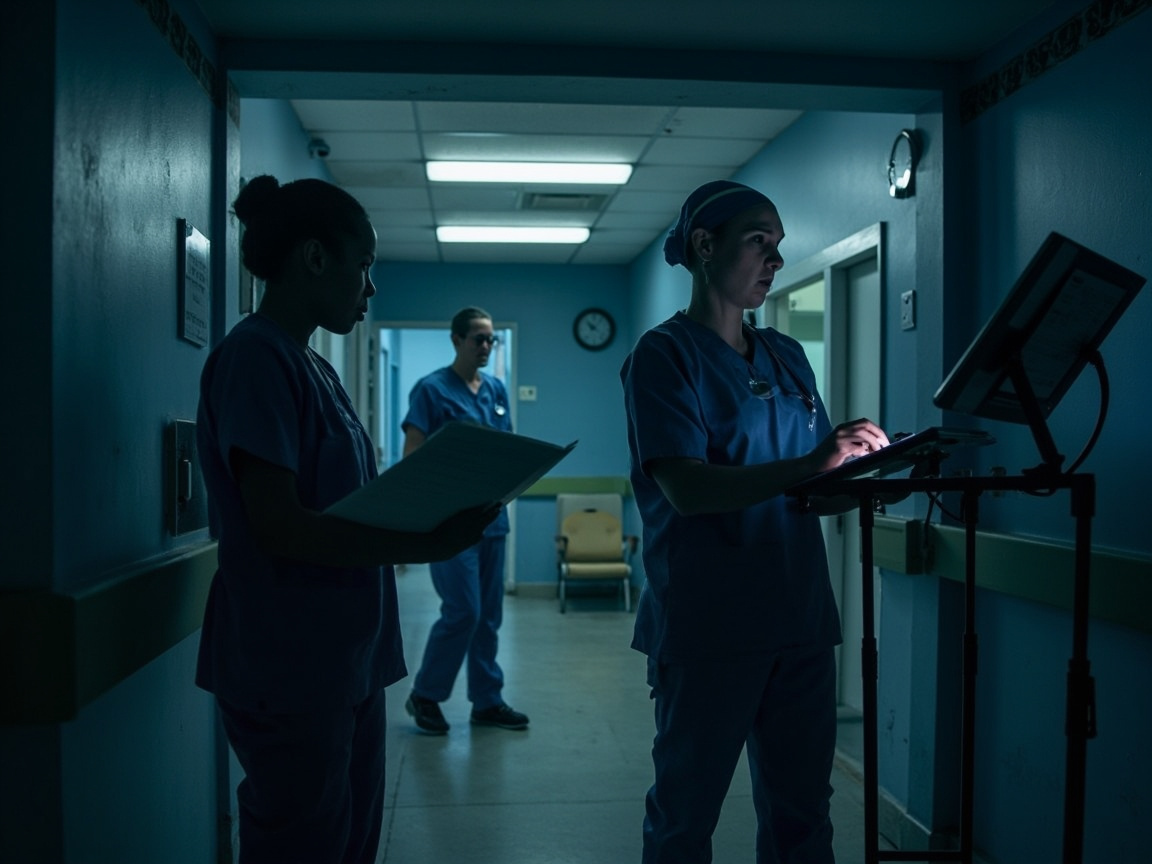
The current staffing shortage at Costa del Sol Hospital involves:
- 42% reduction in nursing staff during night shifts
- Only 3 physicians available for the entire emergency department overnight
- ICU operating with 5 nurses instead of the required 12
- Support staff reduced by 65% compared to day shifts
- Administrative positions entirely eliminated during night hours
Union representatives have documented multiple nights where certain departments had no specialized personnel available, forcing general practitioners to handle complex cases outside their expertise. This staffing deficit has been particularly acute in the pediatric and obstetric departments, creating dangerous gaps in emergency response capabilities.
Impact on Patient Care
The consequences of this understaffing crisis are measurable and concerning:
- Average emergency wait times increased from 45 minutes to over 3 hours during night shifts
- 28% increase in patient complaints related to night care quality
- 15% rise in readmission rates for patients discharged during night shifts
- Documented delays in critical medication administration
- Increased risk of medical errors due to staff fatigue and overwork
Healthcare professionals report making difficult triage decisions, prioritizing the most critical cases while less urgent but still serious conditions face extended waits. This situation has created a two-tier system of care between day and night hospital admissions.
Union Demands and Hospital Response
Healthcare unions are demanding:
- Immediate hiring of 35 additional night shift nurses
- Minimum of 5 emergency physicians on duty overnight
- Implementation of mandatory rest periods between shifts
- Financial incentives for night shift workers
- Review of patient-to-staff ratios to meet European standards
The hospital administration has acknowledged the staffing crisis but cited budget constraints as a significant obstacle to immediate resolution. They’ve proposed a phased implementation plan to address the most critical departments first, starting with emergency services and intensive care.
Emergency Measures Being Implemented
In response to union pressure and growing public concern, hospital management has initiated several emergency measures:
- Reallocation of 12 nurses from day shifts to night rotations
- Temporary contract extensions for 8 physicians
- Increased compensation for voluntary night shift coverage
- Establishment of a crisis management team to monitor night shift operations
- Implementation of telemedicine support systems for specialized consultations
While these measures provide some immediate relief, unions argue they represent band-aid solutions to a systemic problem requiring comprehensive policy changes and significant investment in healthcare infrastructure.
Historical Context of the Problem
The Marbella hospital understaffing issues didn’t emerge overnight. Data reveals a concerning pattern:
- Night shift staffing has declined by 35% over the past five years
- Budget allocations for night shift coverage have remained static since 2018 despite increased patient volume
- Previous warnings from healthcare unions dating back to 2019 went largely unaddressed
- Three separate audit reports identified night staffing as a “critical vulnerability”
- Temporary summer reinforcements have decreased by 40% compared to pre-pandemic levels
This historical perspective demonstrates that the current crisis represents the culmination of years of under-investment and inadequate workforce planning rather than a temporary anomaly.
Comparison with Other Regional Hospitals
Analysis of staffing models across Andalusia reveals significant disparities:
- Similar-sized hospitals in Seville maintain 75% higher night staffing levels
- Granada’s main hospital implements a graduated staffing model based on seasonal demand
- Valencia region hospitals operate with standardized night-to-day staffing ratios of 70%
- Costa del Sol Hospital’s ratio currently sits at just 45%
- Regional hospitals with better night coverage show 22% lower adverse incident rates
These comparisons highlight that the Costa del Sol Hospital’s staffing approach deviates significantly from regional best practices, suggesting viable alternative models exist within similar budgetary frameworks.
Patient Experiences During Night Shifts
Testimonials from patients treated during night shifts reveal concerning patterns:
- Delayed pain management for non-critical cases
- Limited communication with medical staff due to time constraints
- Reduced frequency of monitoring for stable patients
- Postponement of diagnostic procedures until day shifts
- Increased anxiety due to visible staff shortages
These firsthand accounts underscore the human impact of the staffing crisis beyond statistical measures, highlighting how understaffing affects the overall patient experience and perception of care quality.
Long-term Solutions Proposed
Healthcare experts and union representatives have outlined several sustainable approaches:
- Development of a specialized night shift workforce with dedicated training
- Implementation of AI-assisted monitoring systems to enhance staff efficiency
- Creation of a regional night shift emergency response team
- Restructuring of scheduling to incorporate mandatory recovery periods
- Collaboration with medical universities to create night shift practicum programs
These forward-thinking solutions address both immediate needs and longer-term structural issues, potentially transforming crisis management into an opportunity for healthcare delivery innovation.
Conclusion
The Costa del Sol Hospital night staffing crisis represents a critical juncture for healthcare in one of Spain’s most important tourist regions. While emergency measures provide temporary relief, the situation demands comprehensive reform addressing systemic understaffing issues. The union exposé has performed a valuable service by bringing these concerns to public attention, potentially preventing adverse outcomes and creating momentum for meaningful change.
As stakeholders work toward solutions, continued transparency and accountability will be essential to rebuild confidence in the hospital’s ability to provide consistent, high-quality care regardless of the time of day. The coming weeks will prove decisive in determining whether this crisis becomes a catalyst for positive transformation or continues as a dangerous status quo.
FAQs
How is the staffing crisis affecting tourist healthcare access?
Tourist patients may experience significantly longer wait times during night hours and potential language barriers due to reduced availability of multilingual staff. The hospital has implemented a priority triage system for emergency cases, but non-critical conditions face extended delays.
Are there specific departments most affected by the staffing shortage?
Emergency services, intensive care, pediatrics, and obstetrics have been most severely impacted. Specialized surgical teams are also operating with reduced capacity during night shifts.
What is being done to address staff burnout during this crisis?
The hospital has implemented a rotation system to distribute night shift burdens more equitably, alongside psychological support services and mandatory rest periods after extended shifts.
How can patients best navigate care needs during this staffing shortage?
For non-emergency conditions, patients are advised to utilize primary care centers during daytime hours when possible. The hospital has also established a pre-registration system for predictable night care needs.
When might patients expect to see improvements in night shift staffing?
The hospital administration has committed to implementing the first phase of staffing increases within 30 days, with a comprehensive staffing review scheduled for completion within three months.