
Table of Contents
- 15 Secret Hidden Spanish Beaches and Coves Only Locals Know About
- Introduction
- The Hidden Gems of Spain's Coastline
- Northern Coast Treasures
- Mediterranean Secret Spots
- Atlantic Ocean Hideaways
- Balearic Island Escapes
- Canary Islands' Remote Beaches
- Best Times to Visit
- How to Access These Hidden Spots
- Respecting the Natural Environment
- What to Pack for Your Adventure
- Local Etiquette to Remember
- Conclusion
- FAQs
15 Secret Hidden Spanish Beaches and Coves Only Locals Know About
Introduction
Did you know that while Spain welcomes over 83 million tourists annually, less than 5% ever discover its most breathtaking coastal treasures? Beyond the famous Costa del Sol and crowded Ibiza shores lies a world of pristine hidden Spanish beaches coves that remain virtually untouched by mass tourism. These secluded paradises, with their crystal-clear turquoise waters and golden sands, represent Spain's best-kept secrets—spots so cherished by locals that they're rarely mentioned in mainstream travel guides. From dramatic cliff-enclosed coves in the north to hidden Mediterranean gems, these secluded Spanish coastal spots offer a glimpse into authentic Spain that most visitors never experience.
The Hidden Gems of Spain's Coastline
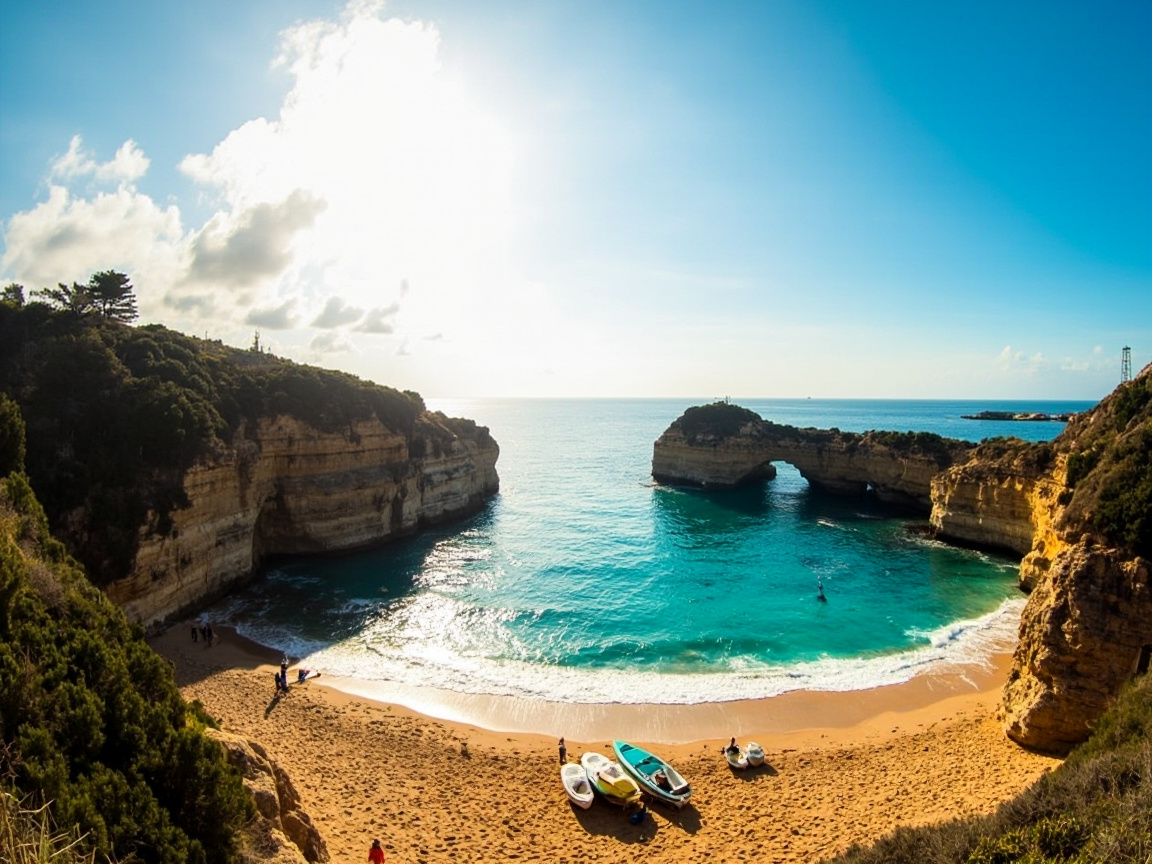
Spain boasts nearly 5,000 kilometers of coastline, creating countless opportunities for discovering secluded beaches. What makes these hidden Spanish beaches coves so special is their unspoiled nature—many remain free from commercial development, accessible only by foot paths or boat. The reward for this extra effort? Having a slice of Mediterranean or Atlantic paradise practically to yourself, even during peak summer months.
Northern Coast Treasures
Playa de Gulpiyuri, Asturias
This extraordinary inland beach exists nowhere near the ocean—yet fills with saltwater during high tide through underground tunnels. This geological miracle spans just 40 meters in length but offers one of Spain's most unique coastal experiences.
Playa del Silencio, Asturias
True to its name ("Beach of Silence"), this crescent-shaped cove surrounded by rocky cliffs requires a steep descent but rewards visitors with crystalline waters and remarkable natural beauty. The unusual pebble-and-sand mix creates a mesmerizing pattern under the clear water.
Cala Trebalúger, Menorca
Accessible only by a 30-minute hike or boat, this pristine cove features fine white sand and water so clear you can see fish swimming several meters deep without snorkeling gear. The surrounding pine forests provide natural shade during hot summer days.
Mediterranean Secret Spots
Cala Escorxada, Menorca
One of the least visited hidden Spanish beaches coves in the Balearics requires a challenging 45-minute hike through beautiful Mediterranean landscapes. The reward? Crystal-clear turquoise waters and powder-soft sand that rivals Caribbean beaches.
Cala Mitjana, Menorca
Tucked between towering limestone cliffs, this small cove offers shallow, warm waters perfect for swimming and snorkeling. Visit early morning or late afternoon to avoid the few boats that sometimes anchor here.
Playa de Mónsul, Almería
Featured in Indiana Jones films, this otherworldly beach in Cabo de Gata Natural Park showcases volcanic rock formations and pristine waters. The dramatic landscape feels more like another planet than a Mediterranean beach.
Atlantic Ocean Hideaways
Playa de Rodas, Cíes Islands
Often called "the best beach in Spain" by those who discover it, this Galician treasure within the Atlantic Islands National Park requires advance permits to visit, keeping crowds minimal despite its growing reputation.
Playa de Carnota, Galicia
Spain's longest beach stretches for nearly 7 kilometers yet remains blissfully underdeveloped. The powerful Atlantic waves make it perfect for surfing, while its sheer size ensures you'll always find a private spot.
Balearic Island Escapes
S'Almunia Cove, Mallorca
This tiny fishing inlet features emerald waters so clear and calm they could be mistaken for a swimming pool. Traditional boat houses carved into the rocks create a postcard-perfect scene rarely found in today's commercialized Mallorca.
Cala Macarelleta, Menorca
The smaller sister to the more famous Macarella beach offers equally stunning waters but attracts fewer visitors due to the additional walking required. The surrounding cliffs provide dramatic viewpoints for unforgettable photos.
Canary Islands' Remote Beaches
Playa de Cofete, Fuerteventura
This 12-kilometer stretch of wild, golden sand sits on Fuerteventura's untamed southern peninsula. Strong currents make swimming challenging, but the dramatic landscape of mountains meeting ocean creates an unmatched sense of isolation.
Playa de Nogales, La Palma
Accessible via a steep staircase of 850 steps, this black sand volcanic beach deters casual tourists but rewards the persistent with dramatic scenery and often complete solitude.
Best Times to Visit
The ideal time to explore these hidden Spanish beaches coves is during shoulder seasons (May-June and September-October) when water remains warm but Spanish holidaymakers have returned to work. During July and August, arrive early (before 10 am) or late (after 6 pm) to experience these spots at their most tranquil.
How to Access These Hidden Spots
Many of these secluded Spanish coastal spots require hiking, boat access, or navigating difficult roads. Renting a small car is essential for reaching trailheads, while comfortable walking shoes are non-negotiable. Some beaches can be reached via local water taxis, offering a scenic approach while avoiding strenuous hikes.
Respecting the Natural Environment
These beaches remain pristine precisely because they're protected from mass tourism. Practice "leave no trace" principles by taking all trash with you, avoiding removal of shells or stones, and respecting any local wildlife. Many of these areas fall within nature reserves with specific regulations.
What to Pack for Your Adventure
Beyond the usual beach essentials, bring:
- Extra water (most hidden beaches have no facilities)
- Portable shade (many lack natural tree cover)
- Reef-safe sunscreen
- Underwater camera for capturing the extraordinary clarity
- Snorkeling gear to explore the rich marine life
Local Etiquette to Remember
Spanish beach culture embraces topless sunbathing at most locations, while some of the more remote spots may have unofficial nudist areas. Respect local customs, avoid loud music, and understand that Spaniards typically don't eat lunch until 2-3 pm, making late morning an unusually quiet time at many beaches.
Conclusion
Spain's most beautiful coastal treasures remain hidden from mass tourism, preserving their natural splendor for those willing to venture beyond the obvious. These hidden Spanish beaches coves offer more than just stunning scenery—they provide a genuine connection to Spain's diverse coastal ecosystems and traditional maritime culture. By seeking out these secret spots, you'll experience a side of Spain that package tourists never see, creating memories that will last far longer than visits to overcrowded resort beaches.
FAQs
Are these beaches suitable for families with young children?
Some, like Cala Mitjana and Playa de Rodas, offer gentle slopes and calm waters perfect for families. Others, particularly Atlantic beaches, may have strong currents unsuitable for inexperienced swimmers.
Do I need special permits to visit any of these beaches?
Yes, Cíes Islands requires advance permits with daily visitor limits. Other beaches within natural parks may have seasonal restrictions.
Is nudity common at these hidden beaches?
Some remote beaches have informal nudist sections, but most visitors practice optional topless sunbathing rather than full nudity.
What's the best way to find these hidden spots?
Local knowledge is invaluable. Consider staying in smaller coastal villages and asking residents for recommendations, as many prefer not to share their favorite spots online.
Are there any facilities at these beaches?
Most have no facilities whatsoever—no restrooms, showers, or food vendors. This is part of their charm but requires proper preparation.